Running Four Condos in Kīhei as Maui Rewrites Its Rental Rules
Megan and Bryan have hosted in North Kīhei since 2012 and sell four condos through Airbnb's checkout. Around them, Maui County has passed a phase-out law and raised a property tax rate, the state has raised its lodging tax, and Airbnb is changing its fee.
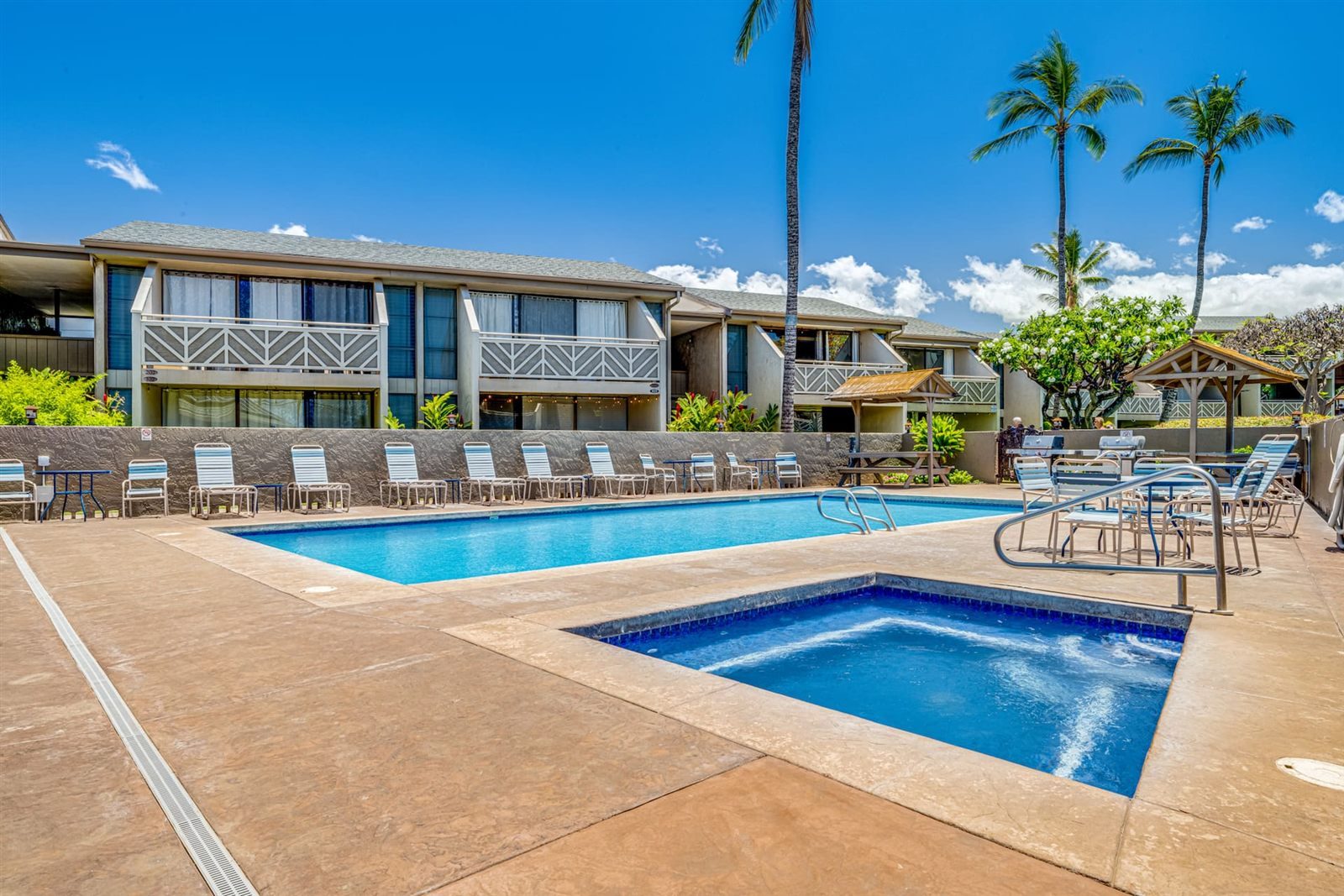
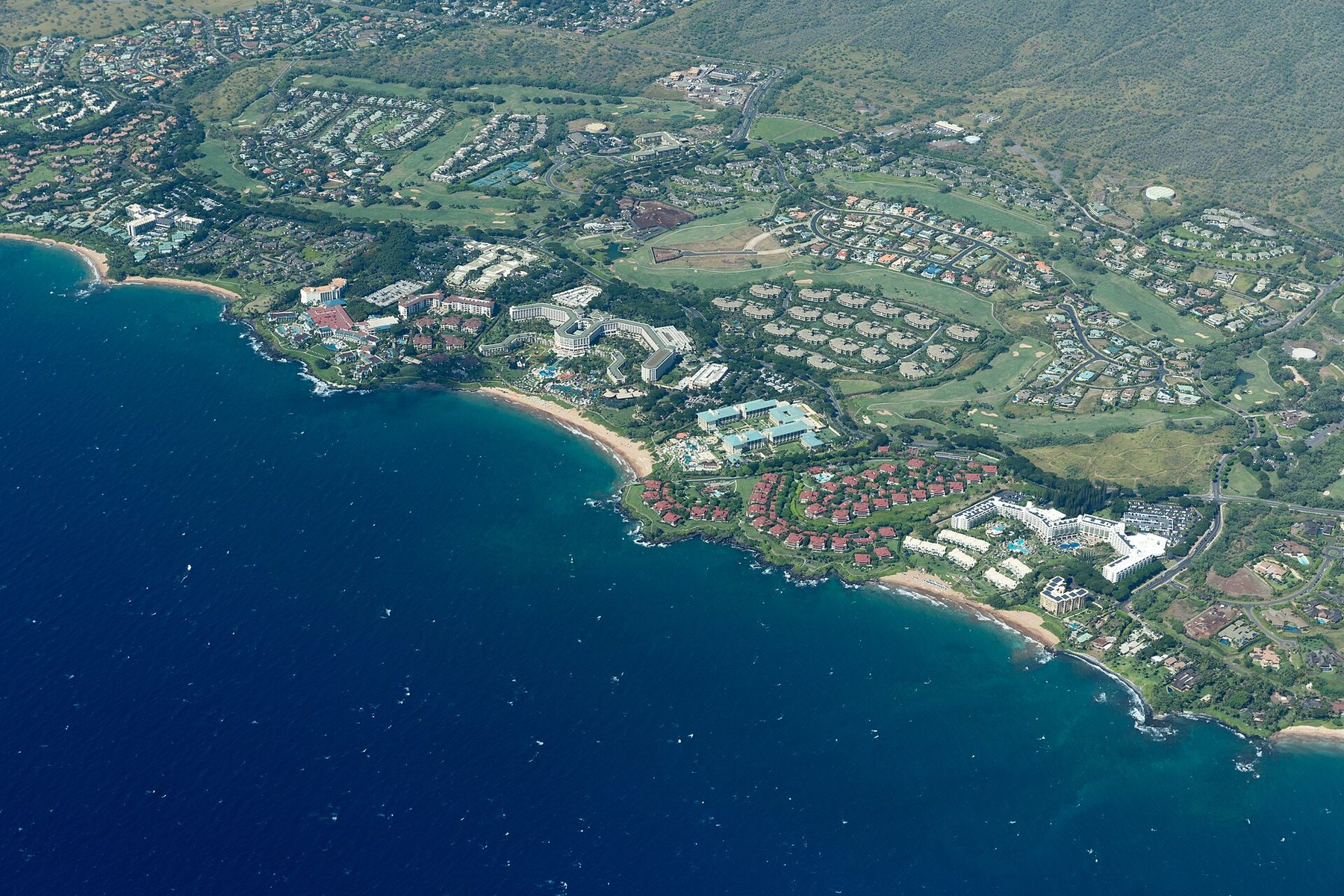
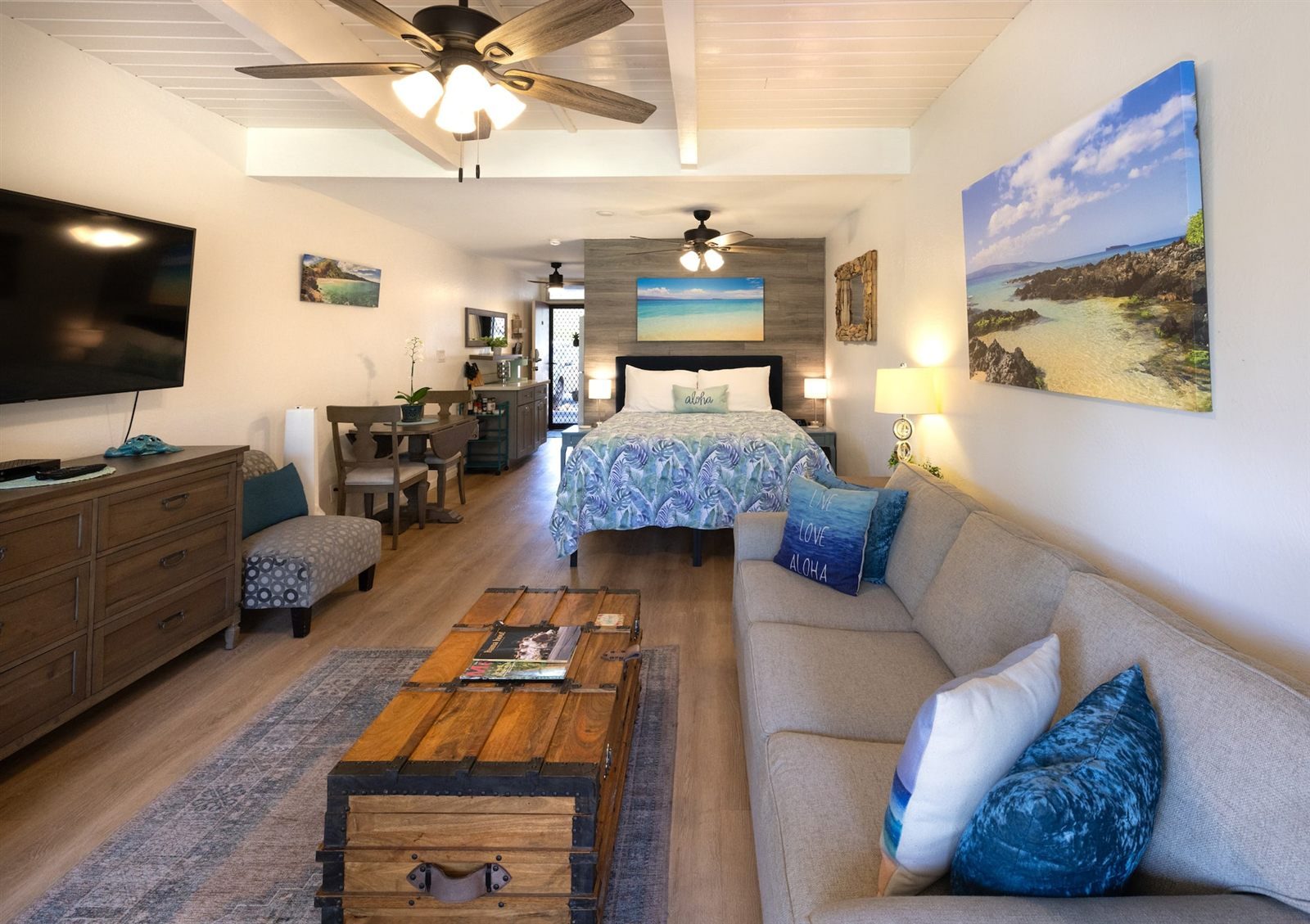
Photograph courtesy of Maui Beachside Bungalows.
On 5 October 2026 the County of Maui opened myMauiTAT, an online system for the accounts through which operators of short stays pay the county's 3% transient accommodations tax. The first due date under it is 20 October. For a host with a handful of condos it is a small job: a login, a tax number, a payment method.
It is also the fourth change of the year to the cost and paperwork of renting out a Maui condo by the night. The state's own accommodations tax went from 10.25% to 11.00% on 1 January. In May the County Council set a higher property tax rate for the class that covers short-term rental condos. Airbnb is moving home hosts to a single service fee that it says is 15.5% for most of them. Behind all four sits Bill 9, the county law signed on 15 December 2025 that ends vacation rentals in Maui's apartment districts on 1 January 2029 in West Maui and on 1 January 2031 everywhere else, with a rezoning process and two lawsuits still open.
Maui Beachside Bungalows is the size of business those changes are landing on. It is four condos in two complexes on South Kīhei Road, at the north end of Kīhei on Maui's south shore. The hosts, Megan and Bryan, have been hosting in Kīhei since 2012. They live, by their own account, five minutes from the units. Every booking goes through Airbnb's checkout. Questions before a booking go by Instagram message.
This article uses that operation as a case: how a small, owner-run short-term rental business works in 2026, and what is changing around any host of its size on the island. One limit belongs at the start. The hosts were not interviewed, and nothing here reports their revenue, fees, software or plans. What follows describes their operation from their own published pages and covers the rules at market level, as they apply to hosts across the county. It does not report the legal or tax position of any one unit or building.
Four condos on one road
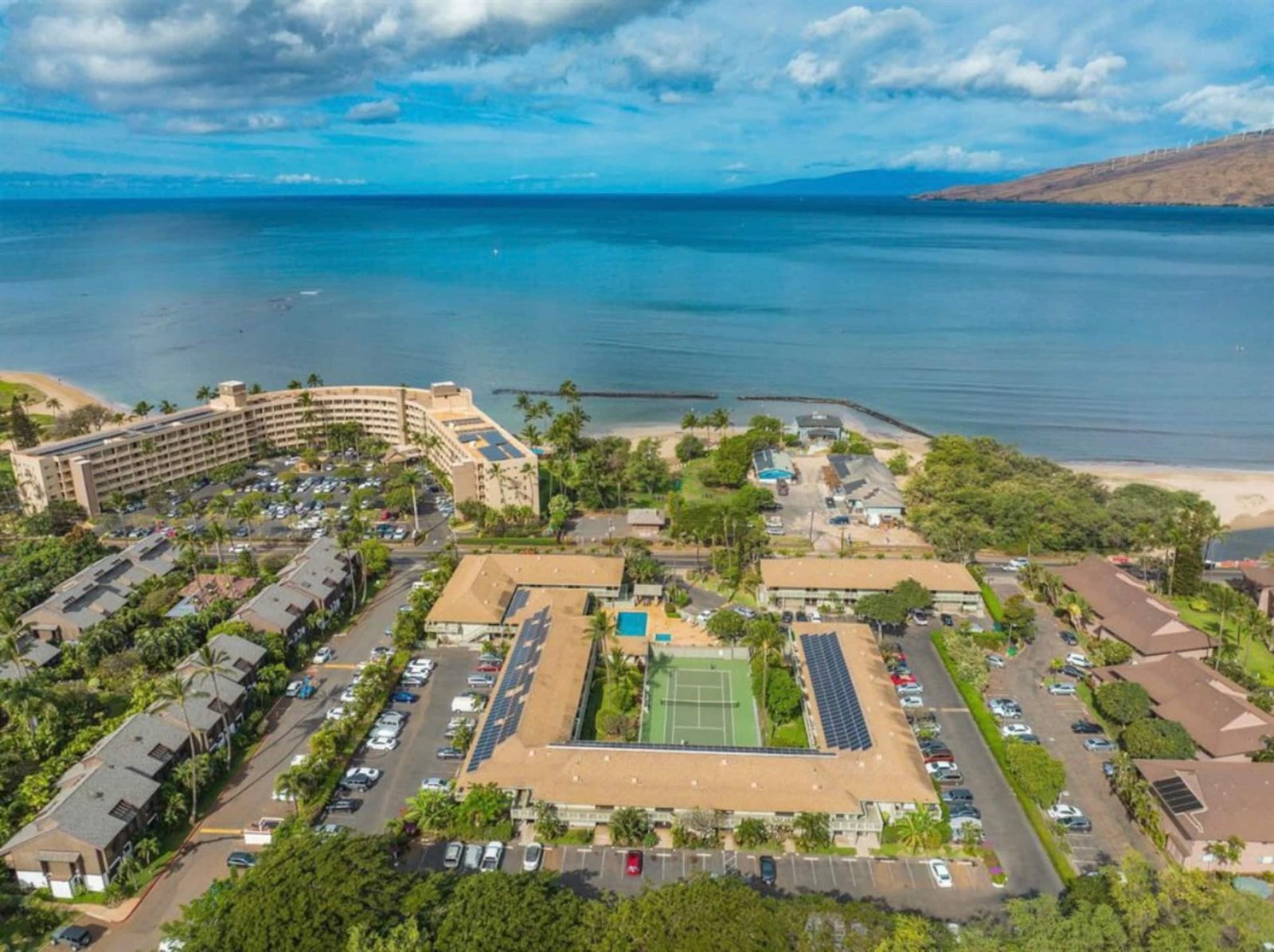
The business sells four units under names of its own. Three are two-bedroom, one-bath condos at Kihei Holiday, which the hosts describe as a 45-unit community on almost two acres facing the ocean. The fourth is a ground-floor studio at Kihei Bay Surf, which they describe as a low-rise complex across the street from the beach. Both complexes have a pool and barbecue grills, and Kihei Bay Surf adds a hot tub and a tennis court, according to the site's FAQ.
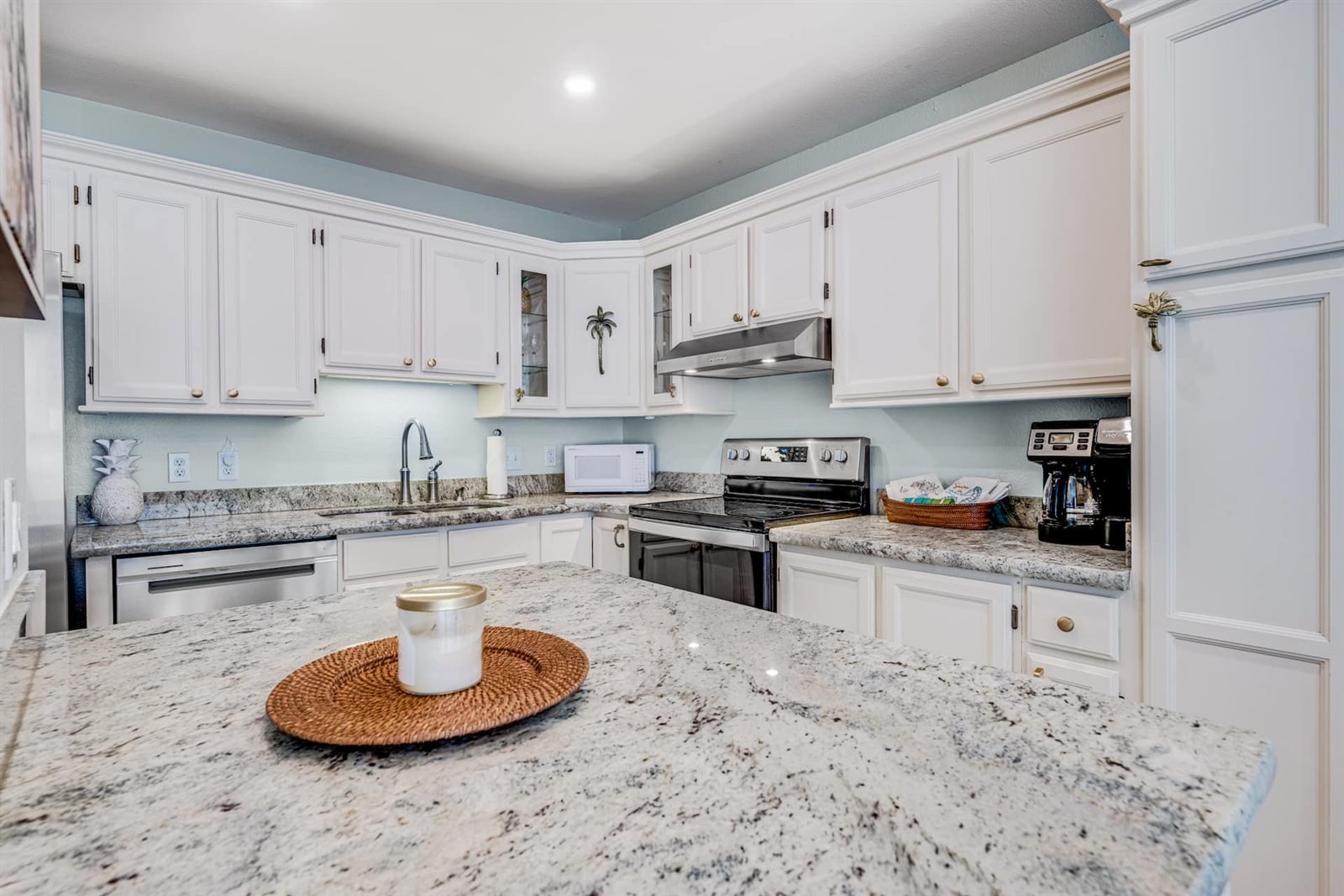
The unit pages double as a renovation log. Of the condo called Best Ocean Views the hosts write, “We renovated this condo from the studs out.” The page lists ten-foot vaulted ceilings, quartz counters, a gas double-oven range and a glass walk-in shower. The Family Favorite is a top-floor unit with a king bed, a queen bed and a sofa bed, air conditioning in every room and a washer and dryer inside the unit. The Modern Ocean View is introduced as “The newest of our four bungalows”, the one the hosts say they rebuilt most recently. The studio, the Couples Getaway, is listed as remodeled top to bottom, with a full kitchen and Wi-Fi that its page puts at 310 megabits a second.
For another operator the detail worth noting is how arrivals and questions are handled. Check-in is by keypad or smart lock, at 3 pm; check-out is at 11 am; parking is free. The closets hold snorkel gear, and the hosts' blog gives the reasoning: daily rentals of snorkel sets and boogie boards add up for a family over a week. Their published biography ends with the sentence that explains how two people cover four units: “Because we live just five minutes away, you’ll always have caring local hosts nearby and happy to help.”
The practical limits are as plain as the features. Each of the four units has one bathroom, and the largest sleeps five. At Kihei Holiday the sea is on the far side of South Kīhei Road. The studio looks onto a garden.
A guide site of 92 pages
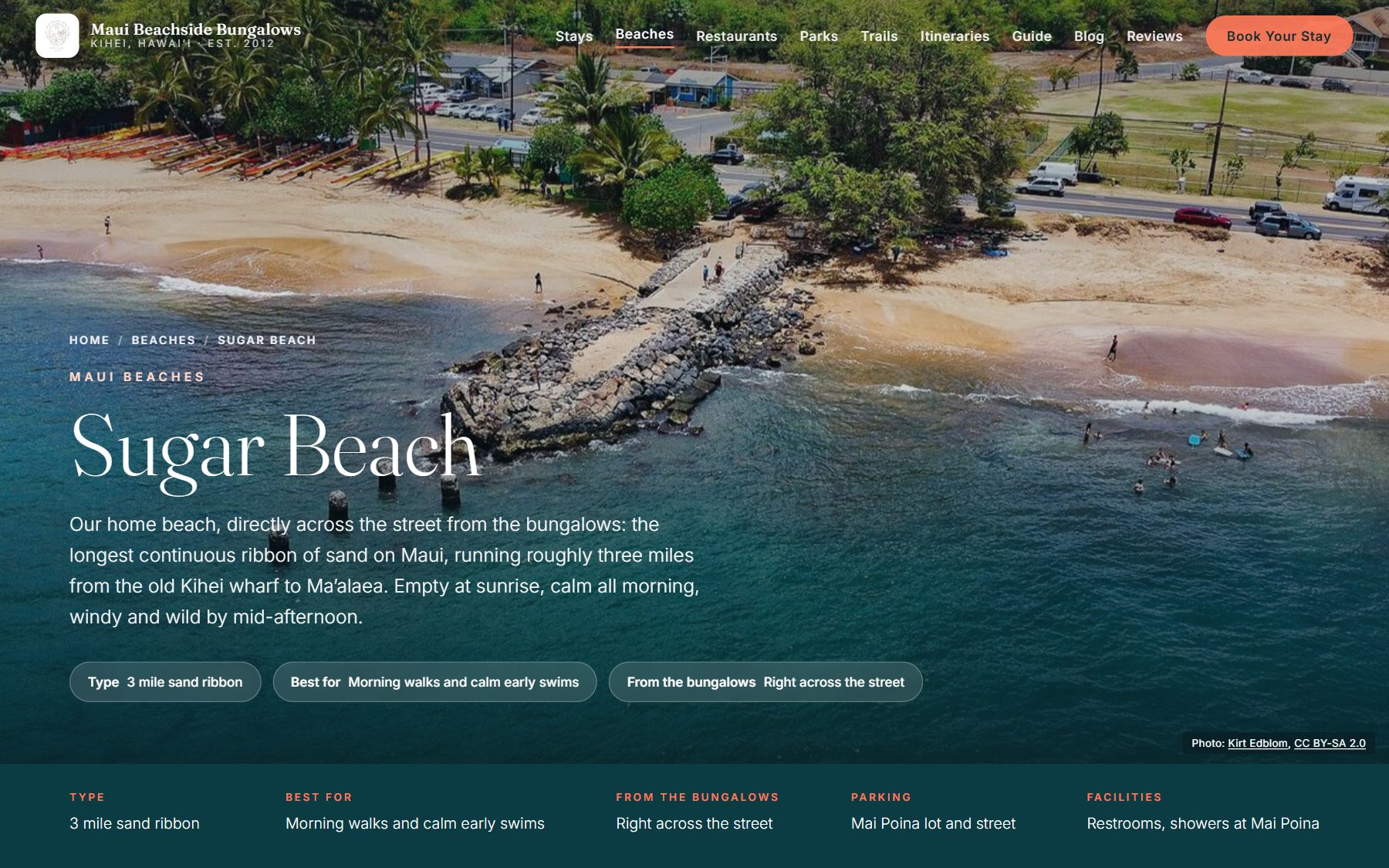
The website runs well beyond four unit pages. Its sitemap lists 92 addresses. Four are unit pages, one is a reviews page and one an FAQ. Most of the rest is local guide material: 12 beach guides, 12 restaurant pages, 11 parks, 11 trails, five itineraries, 14 general Maui guides and 10 blog posts, among them one dated 24 June 2026 on what a week on the island costs and one dated 2 July 2026 comparing Kīhei with Wailea.
The home page opens on a looping video under the words “Sea. Sun. Maui.” and the line “Kihei, Hawai’i · Est. 2012”. A second domain, seasunmaui.com, redirects to the main one, and the same name is used for the business's Instagram account. When its home page was read on 11 October 2026 the scripts on it included the site's own code and a Google Analytics 4 tag that loads behind a cookie-consent banner, with no embedded frames from other services. The robots file allows search engines in and points them to the sitemap.
What the guides do for the business can be read off the structure. A traveller choosing between islands or towns can find the hosts' advice on beaches, restaurants and trails before any booking exists, on an address the hosts control. The reviews page is labelled “Selected guest reviews” and gives each unit's Airbnb rating and review count as of October 2026: 4.93 from 92 reviews, 4.89 from 215, 4.91 from 109 and 4.97 from 31. That is 447 reviews by simple addition. The site reports them; Airbnb holds them, a point this article returns to.
One guide touches the subject behind much of the island's housing debate. The hosts' page on visiting Lahaina, updated on 18 July 2026, tells guests that “Lahaina itself is still a community in recovery, not a stop on a sightseeing loop” and asks them to “come, but come with care.” It lists what had reopened on the west side by that date and what had not.
Every booking through Airbnb's checkout
The site does not take a booking. Each booking button opens that unit's Airbnb listing, and the home page says so directly. The hosts tell guests that “the calendar, the messages and the welcome are all Megan & Bryan, same day” and, of the route through the platform, “Same hosts either way.” Rates, calendars and payment live on Airbnb. A guest with a question is sent to an Instagram direct message.
The arrangement has savings and costs that any operator can list. On the saving side there is no booking engine to license, no card processing to reconcile and no second calendar to keep in step with the first. On the cost side, the operator's price, payout, search position and guest record all depend on one company's terms.
Those terms are changing. Airbnb's help centre says the company is in the process of moving all home hosts to a single service fee structure. Under the older split arrangement, it says, most hosts paid a 3% service fee and guests paid a fee of 14.1% to 16.5% of the booking subtotal. Under the single fee most hosts pay 15.5%, and the page states that a host who has switched cannot switch back.
The arithmetic is short. A 3% fee takes $30 from each $1,000 it is applied to, and a 15.5% fee takes $155. A host who wants the same payout as before has to carry the difference in the listed price, and the guest now sees one figure in place of a price and a separate fee. For a host whose whole inventory sells through Airbnb, the change touches every booking.

Bill 9 in dates and numbers
The largest change of all is a zoning law. Bill 9, now Ordinance 5909, phases transient vacation rentals out of Maui County's A-1 and A-2 Apartment Districts. Mayor Richard Bissen introduced it in May 2024, nine months after the wildfires of 8 August 2023, in which 102 people were killed, more than 2,200 structures were destroyed and nearly 13,000 people were displaced, according to Honolulu Civil Beat. The County Council passed the bill on first reading on 1 December 2025 and on second and final reading on 15 December, each time by five votes to three; one seat was vacant at the final vote. The mayor signed it the same day and, Maui Now reported, said it would restore housing availability for residents.
The dates are 1 January 2029 for West Maui and 1 January 2031 for the rest of the county, which includes Kīhei. Hotels, timeshares, bed-and-breakfasts and vacation rentals in zones that permit them are not covered. The mayor's office said at the signing that about 6,500 vacation rental parcels would continue, along with thousands of hotel units and more than 2,400 timeshares and bed-and-breakfasts, and that more than 2,700 vacation rentals in South Maui were unaffected.
| Date | Event | Vote |
|---|---|---|
| May 2024 | Mayor Richard Bissen introduces Bill 9 | |
| 1 December 2025 | County Council passes Bill 9 on first reading | 5-3 |
| 15 December 2025 | Second and final reading; signed the same day as Ordinance 5909 | 5-3 |
| 19 December 2025 | Malter v. Maui County filed in the Second Circuit Court | |
| 22 December 2025 | Lynam v. County of Maui filed as a proposed class action | |
| 26 May 2026 | Council committee advances Bill 88, creating H-3 and H-4 hotel districts | 6-1 |
| 22 June 2026 | Bill 88 takes effect as Ordinance 6008; it rezones nothing by itself | |
| 24 July 2026 | Council sends Resolutions 26-110 and 26-111 to the Maui Planning Commission | 7-1 |
| 22 September 2026 | Commission recommends denial for all but five properties (397 units) | 6-2 |
| 29 September 2026 | Council refers Resolution 26-129 (32 complexes) to the commission | 5-4 |
| 1 January 2029 | Phase-out date in West Maui | |
| 1 January 2031 | Phase-out date in the rest of the county, including Kīhei |
The Honolulu Star-Advertiser gives the two phase-out dates as 31 December 2028 and 31 December 2030.
Source: Maui Now, 2 December 2025 to 30 September 2026; Honolulu Star-Advertiser, 23 September 2026
How many units are affected depends on which count is used, and a host should know all three. The county's own list, dated 27 June 2024, names 104 apartment-district properties and gives the figure “Total Apartment District Vacation Rental Units: 7167”. The county's Department of Finance counted 6,208 of the listed units as actively operating as short-term rentals on 29 May 2024. The University of Hawai’i Economic Research Organization, UHERO, counted 6,172 units that were both on the list and operating, out of about 13,000 vacation rentals on Maui, which makes the list 47% of the total. Press shorthand runs from more than 7,000 to roughly 6,100 for that reason.
By geography, about 60% of the affected units are in South Maui, about 36% in West Maui and about 4% in Hāna, Pā’ia and Moloka’i, Maui Now reported from county figures. South Maui holds most of the affected units and has the later date. The county's list is widely known as the Minatoya list.

Any host or buyer can check a building. The county publishes the list of apartment-district properties allowed to be used for short-term occupancy. It has one row for each property, giving its name, tax map key, address, year built, zoning district, community plan designation and unit count. A companion list dated 25 July 2024 covers properties outside the apartment districts. The document carries its own warning: it “is subject to error; to determine if short-term occupancy is allowed on any property, confirmation should be obtained from the Department of Planning.” A row, or the absence of one, is where a check starts. The department's written answer is where it ends.
The hotel rezoning route
The law left a door open, and most of 2026 has gone on arguing about how wide. A council investigative group had recommended that 4,519 units be moved into new hotel districts, H-3 and H-4, which would take them out of the apartment districts the ordinance covers.
The planning side has resisted from the start. The Maui Planning Commission recommended against creating the districts in late February, according to a Honolulu Civil Beat report distributed by the Associated Press on 2 March, and Maui Now later reported that all three of the county's planning commissions had recommended denial. The council went ahead. Its Housing and Land Use Committee advanced Bill 88 by six votes to one on 26 May, and the measure took effect on 22 June as Ordinance 6008. It creates the two districts, modelled on the existing A-1 and A-2 apartment standards, and by itself rezones nothing.
Rezoning then has to be done property by property. On 24 July the council voted seven to one to send two resolutions to the Planning Commission: Resolution 26-110, covering timeshare, leasehold, single-ownership and variance properties, and Resolution 26-111, covering properties said to operate like hotels. The size of that group is reported two ways. Maui Now put it at about 2,056 units. The Honolulu Star-Advertiser counted 48 properties with 3,402 units. This article cannot reconcile the two.
On 22 September the commission voted six to two to recommend denial for all but five of those properties. The five, with 397 units between them, are Hale Kaanapali (262 units), Maui Schooner (58), Kuau Plaza (30), Hono Koa (28) and Hana Kai (19), the Star-Advertiser's Andrew Gomes reported. Among those not recommended were Kamaole Sands in Kīhei, with 440 units, Papakea with 364, Luana Kai in Kīhei with 113 and four phases at Wailea with 404. The commission's vote is advice. The council can still approve the others, but only with a two-thirds vote, six of its nine members.
A week later a third list arrived. On 29 September the council voted five to four to refer Resolution 26-129 to the commission. It proposes rezoning 32 apartment-district complexes in Mā’alaea, Kīhei and West Maui, 19 of them from A-1 to H-3 and 13 from A-2 to H-4, on the ground that they are exposed to sea-level rise, flood hazard or the shoreline setback. The stated test, as Maui Now's Brian Perry reported it, is that more than half of a building's footprint lies in the state's Sea Level Rise Exposure Area at 3.2 feet, in a special flood hazard area or in the shoreline setback area, and that the complex was not originally intended as affordable or workforce housing.
Council members Lee, Sugimura, Batangan, Cook and U’u-Hodgins voted for the referral. Rawlins-Fernandez, Johnson, Sinenci and Paltin voted against. The referral rezones nothing. Council Member Gabe Johnson noted at the meeting that the bills are likely to need six votes when they come back, and the referral itself drew five. That is the arithmetic an owner in any of the 32 complexes is watching.

Two lawsuits and no reported ruling
Owners went to court within a week of the signing. Malter v. Maui County, Case No. 2CCV-25-0003778, was filed in the Second Circuit Court on 19 December 2025 by owners at the Kā’anapali Royal. It claims a taking of vested property rights under the Hawai’i and United States constitutions and asks for a preliminary injunction. Lynam v. County of Maui, Case No. 2CCV-25-0003780, followed on 22 December as a proposed class action on behalf of all owners on the county's list. It seeks declaratory relief, an order blocking the phase-out and compensation, according to Maui Now's report of 2 January 2026.
No ruling or injunction in either case appears in the coverage reviewed for this article, which runs to 30 September 2026. The court docket was not checked. An owner budgeting on the litigation is budgeting on an outcome that has not been reported.
What the economists and the council expect
The fullest forecast is UHERO's. In a study published on 31 March 2025 and commissioned by the Hawai’i Community Foundation, the university's economists estimated that the phase-out could add up to 6,127 units to the long-term housing stock, a 13% increase, and that condominium prices could fall by 20% to 40%. Against that they projected a $900 million annual decline in visitor spending, or 15%; a 25% cut in visitor accommodations and a 32% cut in visitor days; the loss of 1,900 jobs, about 3% of payroll jobs; and a 4% decline in real GDP. Property tax revenue could fall by up to $60 million a year by 2029, with general excise and accommodations tax receipts down by 10% and 8%.
UHERO's executive director, Carl Bonham, described the measure as a substantial policy intervention with wide-ranging implications for Maui's economy. The study also listed alternatives: higher property tax rates on vacation rentals, an auction of a limited number of permits, or a more gradual phase-out.

An earlier UHERO paper, from June 2024, describes the stock in question. The median unit on the list was appraised at $971,500, against $845,000 for all Maui condominiums. It measured 838 square feet and was built in 1977. Of the 6,172 units, 85% had an out-of-state mailing address: 36% in California, 12% in Washington state and 8% in Canada. Owners who live on the island are the exception in that data.
County officials have used different figures at different times. The mayor's office put the revenue loss at about $60 million and called it manageable, Maui Now reported in December 2025. On 30 September 2026 the same outlet reported that Council Vice Chair Yuki Lei Sugimura had put the cost at $94 million a year, including about $60 million in property tax, and that Council Chair Alice Lee had cited about $640 million in annual real property tax revenue, about 40% of it from short-term vacation rentals.
The housing side is counted in households. As of late July 2026, 702 households still relied on federal temporary housing help, 482 of them in direct housing and 220 on rental assistance, the Honolulu Star-Advertiser reported. In Lahaina, 577 residential units had been rebuilt or newly built by early August and 315 homes were under construction. Those figures are the need against which the visitor-spending projections are weighed.
The 18.712% tax stack
Taxes on a Maui short stay come in three layers, and the first one moved this year. The Department of Taxation's Announcement No. 2025-03 states: “Act 96, effective January 1, 2026, increases TAT by .75% from 10.25% to 11.00% on the gross rental or gross rental proceeds derived from furnishing transient accommodations and resort time share vacation units.” The increase is the measure known as the Green Fee, projected to raise $100 million a year for climate resilience, hazard mitigation and stewardship. The same act extends the tax to cruise fares, and a cruise industry lawsuit failed to stop it in December 2025, when a federal court denied a preliminary injunction, Spectrum News Hawai’i reported.
The second layer is the county's. The Maui County Transient Accommodations Tax has been 3% since 1 November 2021 under Ordinance 5273. The county's tax page says “MCTAT is in addition to the State TAT and the general excise tax.” and “MCTAT may be visibly passed on to the guest.” The third layer is the general excise tax: 4% to the state plus a 0.5% county surcharge that runs from 1 January 2024 to 31 December 2030 under Ordinance 5551, for a maximum visible pass-on rate of 4.712%, according to the Department of Taxation's Announcement No. 2023-05.
| Tax | Rate | In force | Authority |
|---|---|---|---|
| State transient accommodations tax | 11.00% | From 1 January 2026 (10.25% before) | Act 96 of 2025 |
| Maui County transient accommodations tax | 3.00% | From 1 November 2021 | Ordinance 5273 |
| General excise tax, maximum visible pass-on rate on Maui | 4.712% | County surcharge of 0.5% from 1 January 2024 to 31 December 2030 | Ordinance 5551 |
| All three, when passed on to the guest | 18.712% | 17.962% before 1 January 2026 | Stay Gazette addition |
The last row is the sum of the three rates above it; neither government publishes a combined rate.
Source: Hawai’i Department of Taxation, Announcements No. 2025-03 and No. 2023-05; County of Maui, MCTAT page
Added together, 11.00%, 3.00% and 4.712% come to 18.712% on the rent when all three are passed on, or $187.12 on each $1,000. Before January the figure was 17.962%. The sum is this desk's addition and is not a combined rate published by either government.
The new portal changes how the county's share is paid and leaves the rate alone. The county's Announcement No. 2026-03 of 5 October reads: “myMauiTAT, the County of Maui’s online system for Transient Accommodations Tax (MCTAT) accounts, is now open”. Payment by eCheck is free. Cards carry a “$2.50 transaction fee per TA number, plus a 2.5% credit card processing fee”. An operator does not register twice: “There is no separate County registration. Your MCTAT account is created from your existing Hawaii Tax ID (TA number).” Operators must already hold state registration under section 237D-4 of the Hawai’i Revised Statutes. Maui Beachside Bungalows prints its Hawai’i licence and registration numbers in the footer of every page of its site, which is the only part of this paperwork a guest ever sees.
Property tax for the short-term rental class
The holding cost moved as well. For the fiscal year from 1 July 2026 to 30 June 2027 the rates the council finalised in May 2026, in its Resolution 26-69, put the TVR-STRH class at $13.00 per $1,000 of assessed value up to $900,000, $15.00 from $900,001 to $3,000,000 and $17.00 above that. Those figures are taken from a summary published by the brokerage Maui Real Estate and were not read from the county's own copy of the resolution. The year before, by the same summary, the rates were $12.50 up to $1,000,000, then $14.00 and $15.55. The first-tier rate rose by 50 cents per $1,000 and the first-tier ceiling dropped by $100,000.
The county defines the class as “TVR-STRH – lodging or dwelling units occupied by transient tenants for periods of less than six consecutive months”, and adds: “Property is classified based upon its highest and best use.” The comparison with other classes is the part investors study. The same brokerage summary gives $11.80 for Hotel and Resort, $14.90 for Timeshare, $3.50 for Apartment, $2.90 for the first tier of Long-Term Rental and $1.65 for the first tier of Owner-Occupied. The county's definition of Hotel and Resort requires eight or more units and more than twenty full-time employees. A condo that moves from short stays to long-term tenancy moves a long way down that scale, and county revenue moves with it.
A soft summer for demand
All of this is arriving in a year when demand has not been steady. The state's Department of Business, Economic Development and Tourism reported on 30 September: “Three years after the wildfires of August 8, 2023, there were 201,789 visitors to Maui in August 2026, compared to 213,639 visitors (-5.5%) in August 2025.” The average length of stay on the island fell to 6.28 days from 7.44. Hurricane Lala passed south of the islands from 14 to 16 August, and Tropical Storm Moke brought heavy rain and wind to parts of Hawai’i island and East Maui a week later. The department's director said the two storms “compounded an already soft summer season for visitor arrivals to Hawai‘i.”

The year as a whole reads differently. Maui received 1,819,840 visitors in the first eight months of 2026, 6.0% more than in the same months of 2025. A host looking at one thin month should hold both figures. Neither says anything about a particular operator's calendar.
The Gazette Verdict
A small Maui host should run the business on the dates written in the ordinance and treat rezoning and the courts as unproven. In the ten months since the signing, the rezoning route has produced one ordinance that rezones nothing and a Planning Commission recommendation covering five properties and 397 units. Kamaole Sands, Luana Kai and four Wailea phases were turned down at that stage, and any override needs six council votes. No court ruling has been reported. The costs that are certain have already arrived: an 11.00% state tax, a $13.00 first-tier property tax rate and a platform fee that Airbnb puts at 15.5% for most hosts. Those belong in this year's prices whatever happens in 2029 and 2031.
The other side
There are sound reasons to think the dates will not hold as written. The council voted seven to one in July and five to four in September to keep rezoning alive, and it can overrule the Planning Commission. Two lawsuits ask a court to block the phase-out, and one is a proposed class action for every listed owner. UHERO projected a $900 million annual fall in visitor spending and set out more gradual alternatives, and the council's vice chair has put the yearly cost at $94 million. The first deadline is more than two years away and the second more than four. A host who sells or converts early because of a law that is later softened will have paid for caution that turned out to be unnecessary.
What hosts should do now
None of the steps below requires an owner to predict the council.
- Find the row. Look up the building on the county's apartment-district list and its companion list, read the zoning column, then ask the Department of Planning to confirm, as the list itself instructs. Do the same before buying.
- Put the dates in the plan. They are 1 January 2029 in West Maui and 1 January 2031 elsewhere. Loan terms and renovation paybacks can be set against them.
- Follow the three resolutions. Resolutions 26-110 and 26-111 await the council after the commission's 22 September vote, and Resolution 26-129 is with the commission. In each case the number to watch is six votes.
- Open the myMauiTAT account before 20 October. It is created from the existing TA number. Paying by eCheck avoids the $2.50 and 2.5% card charges.
- Reprice for 2026. Check that listings pass on 11.00%, 3.00% and the excise tax correctly, and work out what a 15.5% host fee does to the payout at current prices.
- Read the assessment notice. The first-tier ceiling for the short-term rental class is now $900,000, down from $1,000,000.
- Count what sits on one platform. List the calendar, the payment, the guest messages and the reviews, and decide which of them should also exist somewhere the operator controls.
The Kīhei case shows one answer to that last item, and its limit. Megan and Bryan have put 92 pages on an address they own, with guides a traveller can use before any booking, and they answer questions themselves. The payment, the calendar and all 447 reviews remain with Airbnb, on whatever fee terms Airbnb sets.

Maui Beachside Bungalows publishes its unit pages, local guides and licence numbers at mauibeachvacationrentals.com. The county's list, the tax announcements and the reports cited in this article are given in the sources.
Common questions
When does Bill 9 end vacation rentals in Maui's apartment districts?
Ordinance 5909 sets 1 January 2029 for West Maui and 1 January 2031 for the rest of Maui County, as reported by Maui Now and the Associated Press. Hotels, timeshares, bed-and-breakfasts and vacation rentals in zones that permit them are not covered.
How can a host check whether a building is on the county's list?
The County of Maui publishes a list dated 27 June 2024 of 104 apartment-district properties with 7,167 units, one row per property with its zoning district. The list says it is subject to error and that confirmation should be obtained from the Department of Planning.
What taxes apply to the rent on a Maui short stay in 2026?
The state transient accommodations tax is 11.00% from 1 January 2026, the Maui County transient accommodations tax is 3%, and the general excise tax can be passed on at up to 4.712%. Added together that is 18.712%, a sum made by Stay Gazette from the three published rates.
What is myMauiTAT and when is the first payment due?
It is the County of Maui's online system for county transient accommodations tax accounts, opened on 5 October 2026. The first due date under it is 20 October 2026, and the county says the account is created from an operator's existing Hawaii Tax ID.
What does Airbnb charge hosts under its single service fee?
Airbnb's help centre says most hosts pay 15.5% under the single fee structure, against 3% for most hosts under the older split fee, and that a host who has switched cannot switch back.
Sources
- Maui Beachside Bungalows, Home page, unit pages, FAQ, reviews page and sitemap (read 11 October 2026).
- Maui Beachside Bungalows, Visiting Lahaina (guide) (updated 18 July 2026).
- Maui Beachside Bungalows, What a Week on Maui Costs (blog) (24 June 2026).
- County of Maui, Apartment District Properties Allowed to be Used for Short-Term Occupancy (27 June 2024).
- Maui Now, Maui Council passes vacation rental phase-out bill on first reading with 5-3 vote (Brian Perry) (2 December 2025).
- Maui Now, Mayor Bissen signs Bill 9 into law; says it will restore housing availability for residents (15 December 2025).
- Maui Now, As expected, Bill 9 challenged in court; lawsuits seek to block short-term rental phaseout (2 January 2026).
- Honolulu Civil Beat, distributed by the Associated Press, via Spectrum News, Maui Planning Commission rejects bill to save thousands of vacation rentals (2 March 2026).
- Maui Now, New hotel zoning clears Council committee, 6-1, despite planning commissions’ opposition (Brian Perry) (27 May 2026).
- Maui Now, Maui Council advances new hotel zoning for over 2,000 apartment-district vacation rentals (28 July 2026).
- Honolulu Star-Advertiser, Maui Planning Commission rebuffs exemptions to vacation rental ban (Andrew Gomes) (23 September 2026).
- Maui Now, Maui Council refers 32 shoreline condo complexes’ hotel-rezoning to Maui Planning Commission (Brian Perry) (30 September 2026).
- University of Hawai’i News, Maui transient vacation rental phaseout: more housing, fewer jobs (31 March 2025).
- UHERO, University of Hawai’i Economic Research Organization, Maui Short-Term Rentals, the Minatoya List, and Housing Supply (Justin Tyndall and Emi Kim) (25 June 2024).
- Hawai’i Department of Taxation, Announcement No. 2025-03 (Act 96, transient accommodations tax) (9 June 2025).
- Hawai’i Department of Taxation, Announcement No. 2023-05, Maui County Surcharge on General Excise Tax and Rate of Tax Visibly Passed on to Customers (25 September 2023).
- County of Maui, Transient Accommodations Tax (MCTAT) page, FAQ and Announcement No. 2026-03 (5 October 2026).
- County of Maui, Real Property Tax Rates (class definitions) (read 11 October 2026).
- Maui Real Estate (Pete Jalbert, broker), Maui County 2026/2027 Property Tax Rates (19 May 2026, updated 2 June 2026).
- Airbnb Help Centre, Airbnb service fees (read 11 October 2026).
- Spectrum News Hawai’i, Green Fee to take effect on Jan. 1 (Michael Tsai) (24 December 2025).
- Hawai’i Department of Business, Economic Development and Tourism, August 2026 Visitor Spending and Arrivals Declined (news release) (30 September 2026).
- Honolulu Civil Beat, Maui Wildfires 3 Years Later: The Recovery In Photos (Erin Nolan) (7 August 2026).
- Honolulu Star-Advertiser, Three years later, many Lahaina fire survivors are still waiting for a home (Victoria Budiono) (2 August 2026).
A note on this story: Stay Gazette's publisher works with Maui Beachside Bungalows on its marketing. The facts here come from the hosts' published pages and the public sources listed above. Sources were read on or before 11 October 2026. To report an error, write to the desk; see the corrections policy.

More features
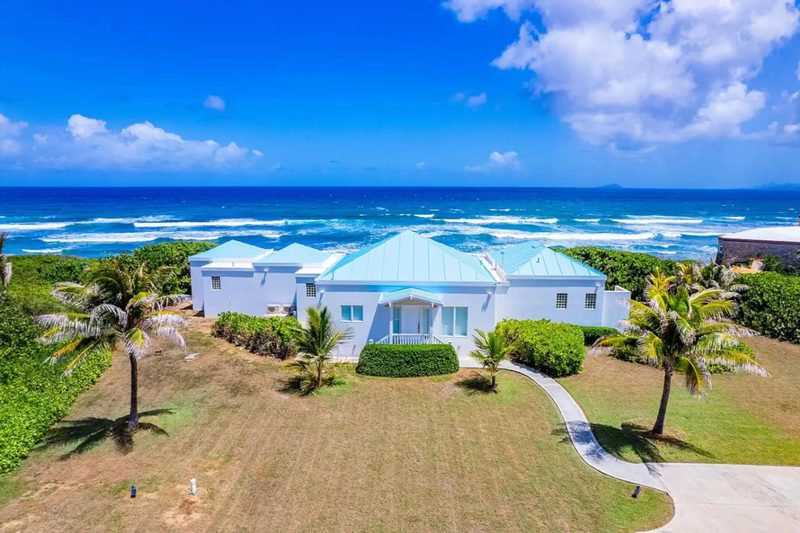 Case study · MarketsA St. Croix Brokerage Runs Home Sales and Villa Management From One OfficeBy Dana Whitfield · 20 min read
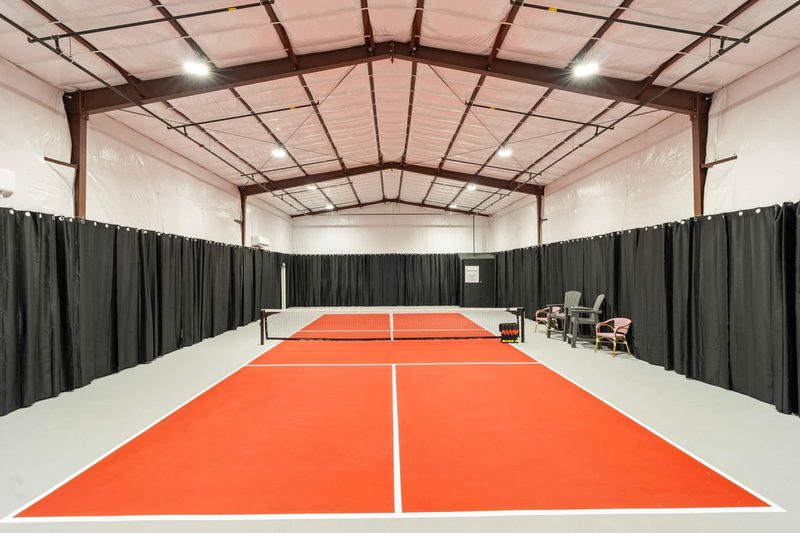 Case study · DesignBuilding a Vacation Rental Around a Single AmenityBy Wren Calloway · 19 min read
 Case study · WorldHow a Rio Brokerage Sells and Lets the Same ApartmentsBy Tomás Ferreira · 20 min read