
Foreign Demand Reshapes Korea Short-Term Rentals as 33m2 Overseas Volume Hits 25%
As English-language access opens South Korea's mid-term housing market, overseas transactions on local platform 33m2 have surged, exposing a high-yield gap between nightly lodging and two-year leases.
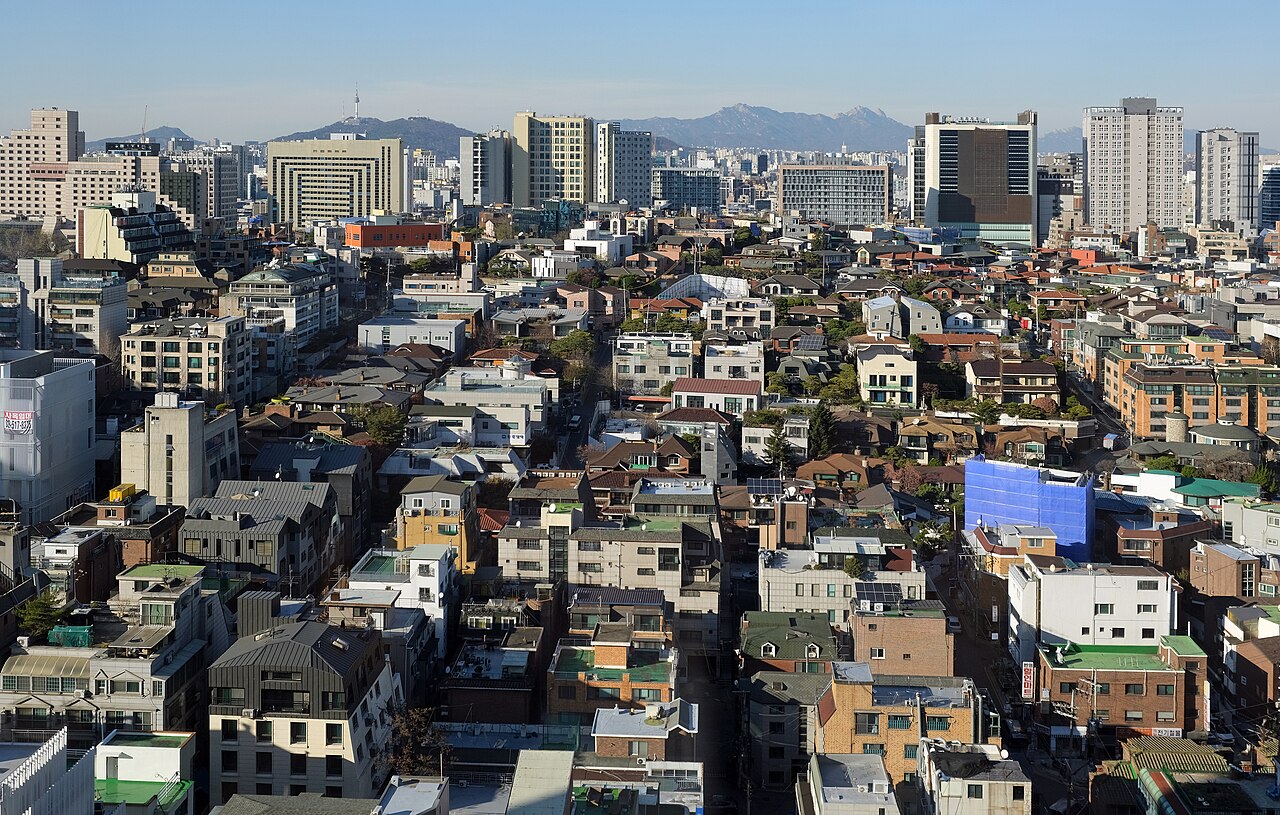
South Korea’s urban residential market has spent decades locked inside an uncompromising binary. On one end stands the traditional long-term lease system, anchored by massive cash deposits and rigid two-year commitments. On the other sit nightly hotels and licensed tourist accommodations priced for brief holidays. Anyone trapped in the middle—an exchange student spending a single semester in Seoul, a corporate assignee on an eight-week contract, or a medical tourist recovering from a surgical procedure—confronted a market that seemed systematically engineered to exclude them.
That structural wall is cracking open, and the money flowing through the gap is overwhelmingly international. When domestic platform 33m2 introduced an English-language interface, it unlocked a deep reservoir of pent-up demand. Within ten months, foreign transaction volume on the platform shot from roughly 10 percent of total bookings to 25 percent, transforming a hyper-local domestic product into a primary gateway for international visitors seeking medium-term housing across South Korea.
For property managers, individual hosts, and real estate investors watching global markets, what is happening in Seoul offers a masterclass in market friction. When a platform strips away language barriers and traditional deposit hurdles, mid-term housing demand does not merely grow incrementally. It surges like water hitting a broken dam. But as capital floods into Korea's weekly rental sector, it is also running straight into a tightening national regulatory framework designed to separate residential leasing from unlicensed hospitality operations.
What happened
According to data released by operator Space V and reported by ChosunBiz, short-term rental platform 33m2 has seen its share of overseas credit card and international payment transactions jump from approximately 10 percent to roughly 25 percent in just ten months. The shift directly followed the introduction of an English service in December, which removed contracting and language barriers that previously blocked foreign residents, students, and travelers from booking Korean residential apartments.
Space V Chief Executive Officer Park Hyeong-jun, 44, reported in an interview at the company's Gangnam headquarters that 33m2 has processed more than 500 billion won in cumulative transaction value across more than 400,000 contracts since launching in 2019. The platform allows property owners to list residential units for stays ranging from a minimum of one week to a maximum of 12 weeks, utilizing a standardized security deposit of 330,000 won.
The surge in digital bookings coincides with a rapid recovery in international arrivals. Figures cited in the report show inbound foreign tourist arrivals reached 18.94 million last year, while 12.8 million foreign visitors arrived between January and July of this year alone—a 21.3 percent increase compared to the same period in the prior year. Korea's total resident foreign population now exceeds 2.5 million people.
While North American users, including travelers from the United States and Canada, account for the largest single share of international bookings on 33m2, significant volume also originates from major Asian nations, Australia, and New Zealand. Demand is heavily concentrated among the North American Korean diaspora staying for extended family visits, corporate travelers, and university students facing severe shortages in campus accommodation.
The middle-mile dilemma in South Korean housing
The domestic market has historically been dominated by two structures: the monthly lease with a heavy cash deposit, and the famous jeonse system, where a tenant hands over a massive lump sum—often 50 to 80 percent of the property's sale value—in lieu of monthly rent for a fixed two-year period.
For an incoming foreign student or remote worker, the jeonse system is structurally non-viable. Even standard monthly leases in Seoul routinely demand security deposits reaching tens of millions of won. A foreign traveler landing at Incheon International Airport without a local bank account, a resident registration number, or tens of thousands of dollars in liquid capital had virtually no legitimate way to lease a private studio apartment for six weeks.
nightly lodging platforms presented their own financial pain points. Booking a traditional hotel or a tourist-oriented short-term rental for 45 consecutive nights in prime districts like Gangnam, Hongdae, or Mapo incurs nightly rates that quickly become ruinous. The market left an enormous operational vacuum between the seven-day holiday and the 730-day residential lease.
By establishing a standardized weekly model with a fixed deposit of 330,000 won, 33m2 created a dedicated middle-mile asset class. The platform holds the tenant’s deposit and rent in escrow, releasing funds to the property owner only after the tenant successfully moves in. Space V reports that across more than 400,000 processed leases, the non-move-in refund failure rate remains at zero, while tenant-landlord property dispute rates hold at 0.5 percent.
Inside the mechanics of the 33m2 operational model
The founder behind Space V brought a distinct operational background to the short-term rental landscape. Park Hyeong-jun studied urban engineering at Yonsei University before working in risk analysis at the Disaster Prevention Research Institute of Samsung Fire & Marine Insurance. He subsequently spent a decade working directly inside real estate brokerages, judicial property auctions, and lease management in Seoul's commercial epicenter of Gangnam.
That background in risk assessment and brokerage dynamics directly shaped the platform's architecture. Rather than imitating the broad, experiential holiday model of global platforms like Airbnb or Vrbo, 33m2 was constructed around urban utility. Studio apartments—known locally as one-rooms—comprise more than two-thirds of all transacted properties on the platform.
The tenant base for these compact urban units is driven by clear functional requirements. Across all platform users, corporate assignees and business travelers represent the largest single segment at approximately 40 percent of total contracts. Individuals relocating or renovating their primary homes account for 25 percent, while leisure travelers and tourists make up 20 percent. Academic study accounts for 10 percent, with outpatient hospital visits and medical care making up the remaining 5 percent.
Because the platform focuses on utility rather than holiday luxury, property turnover operates with mechanical predictability. The stay cap of 12 weeks prevents units from converting into permanent, uninspected tenancies while giving landlords the ability to reset rates or reclaim units for maintenance multiple times per calendar year.
North America, K-beauty, and the student housing shortage
The rapid growth of overseas payments highlights how international consumer habits are colliding with domestic urban bottlenecks in South Korea. The surge is not driven merely by vacationers seeking discounted accommodation; it is powered by structural shortfalls in institutional infrastructure.
South Korean universities, which have aggressively expanded international enrollment over the past decade, suffer from an acute shortage of on-campus housing. Nationwide, university dormitories can accommodate only around 20 percent of enrolled international students. Tens of thousands of young foreign scholars land in Seoul, Busan, or Daegu every semester with zero institutional housing guarantees and no ability to sign traditional multi-year domestic leases. Short-term digital platforms have effectively become their primary safety net.
“Among all transactions, the share that increased the most was overseas payments. It is not so much that more foreigners are newly seeking short-term rentals; I think the demand was already there but there was no platform they could use.”
Simultaneously, South Korea’s medical tourism industry has expanded well beyond quick outpatient visits. International patients traveling to Seoul for cosmetic, reconstructive, or specialized medical treatments routinely require recovery periods lasting anywhere from two weeks to two months. These visitors require quiet, self-contained residential apartments situated near hospital corridors in Gangnam and Seocho, far removed from the noise and turnover of tourist hotels.
Travel patterns among foreign visitors are also decentralizing. While primary tourist itineraries historically remained confined to Seoul, international visitors staying for multiple weeks are spreading into secondary regional hubs, including the southern port city of Busan and the historic cultural center of Gyeongju. Longer stays naturally demand functional kitchen facilities, laundry units, and residential space that standard hotel rooms rarely provide at an accessible price point.
The November 12 crackdown and the line between lease and lodging
This rapid expansion of short-term residential renting comes at a moment of intense legal scrutiny from South Korean authorities. Municipal governments across the country have faced rising pressure from licensed hotel operators and resident associations concerned about illegal lodging businesses operating inside residential apartment complexes.
Starting November 12, revised national legislation takes effect imposing steep financial penalties on digital platforms that broker unregistered or illegal lodging businesses. The regulatory tightening forces a critical legal distinction: where does a legitimate short-term residential lease end, and where does an illegal, unlicensed hotel operation begin?
The line between a residential lease and a commercial lodging operation cannot be drawn by tenant intent alone.
Under South Korean law, operating an unlicensed lodging enterprise carries severe administrative and criminal penalties. In response to the upcoming regulatory deadline, Space V confirmed that 33m2 will implement explicit permit verification protocols. For property listings that fall legally under the definition of lodging businesses, the platform will mandate the submission and verification of business registration certificates and municipal permits before allowing transactions to proceed.
Park noted that distinguishing between a lease and a lodging operation requires examining physical management and operational reality rather than simply inspecting tenant motives. If a property owner provides daily cleaning, fresh linens, and hospitality-style amenities, the operation leans toward commercial lodging. If the contract functions as a self-service residential rental with a fixed deposit, tenant-paid utilities, and regular safety checks, it falls under lease law. Platforms that fail to enforce this distinction risk heavy regulatory fines under the new legal framework.
What Seoul reveals about mid-term rental markets worldwide
The transformation taking place in Seoul is not an isolated phenomenon. From Tokyo to Barcelona, major metropolitan centers are watching their long-term housing stock splinter into multi-tier rental models. As global platforms like Airbnb face mounting bans, severe night caps, and registration enforcement in tourist hot spots like New York and Paris, property managers are systematically pivoting into the 30-to-90-day mid-term sector.

The mid-term segment frequently sidesteps the harsh municipal bans directed at nightly holiday rentals because stays over 30 days are legally classified as residential leases in many global jurisdictions. However, as the 33m2 numbers demonstrate, serving international mid-term tenants requires a completely different operational playbook than running a nightly vacation rental.
In global cities, foreign mid-term tenants face three universal friction points: language barriers during contract execution, credit check hurdles caused by a lack of local financial history, and predatory upfront security deposit demands. When a tech platform solves those three frictions simultaneously, it unlocks a high-yield tenant demographic willing to pay premium weekly rates without requiring full hotel service.
Moreover, the risk profile of mid-term foreign rentals proves surprisingly favorable for landlords. Space V’s internal figures indicate a dispute rate of just 0.5 percent among its users. Because weekly rental rates command a significant premium over traditional multi-year leases, the model attracts financially stable international professionals, post-graduate students, and long-stay diaspora who maintain properties carefully to safeguard their deposit and platform reputation.
Who cashes in and who eats the risk
The economic upside of the mid-term foreign surge accrues primarily to small urban property owners and nimble boutique asset managers. Landlords who previously relied on long-term monthly rentals in Seoul studio buildings can achieve substantially higher aggregate annualized yields by transitioning units into weekly rentals, even after accounting for brief vacancy gaps between tenants.
Foreign tenants also win by bypassing extortionate upfront lease deposits. Instead of locking up 20 million won in a local bank account for two years, an incoming exchange student or medical tourist can secure a clean studio apartment in central Seoul with a transparent 330,000 won deposit and weekly billing.
Conversely, the primary losers in this shifting landscape are traditional long-term domestic renters competing for compact urban housing. As real estate investors convert standard single-room apartments into weekly rentals tailored to higher-paying foreign visitors and business assignees, the available supply of affordable long-term urban housing contracts, putting upward pressure on local rents.
Unlicensed hosts running shadow hotel operations inside residential buildings also face immediate financial jeopardy. With municipal authorities arming themselves with the November 12 platform liability mandate, hosts who attempt to run turn-key holiday rentals without proper commercial permits will find themselves delisted by major platforms or hit with legal enforcement fines.
What hosts should do now
If you operate urban short-term or mid-term rentals, the rapid globalization of regional markets like South Korea requires an immediate operational audit.
- Audit your legal classification before November 12: Verify whether your properties fall under residential lease regulations or commercial lodging laws. Ensure all required business registration certificates and local municipal permits are uploaded and active on every platform you use.
- Optimize units for medium-term utility over short-term luxury: Foreign long-stay guests, students, and corporate assignees prioritize functional workstations, high-speed Wi-Fi, in-unit laundry, and cooking facilities over decorative holiday amenities.
- Bridge the language barrier in guest communications: Update your check-in guides, house rules, appliance instructions, and neighborhood navigation notes into clear English. Providing multi-lingual digital arrival packs dramatically reduces tenant friction and keeps dispute rates low.
- Adopt standardized escrow and deposit structures: Protect yourself and your guests by utilizing transparent payment platforms that hold security deposits safely, ensuring smooth move-ins and eliminating payment disputes.
- Target non-tourist demand drivers: Market your listings around structural regional anchors such as major university campuses, teaching hospitals, corporate headquarters, and transit hubs to secure consistent year-round occupancy.
The era of treating international short-term rentals as mere holiday lodging is over. Operators who adapt their business models to master the middle mile will capture the highest yields in the evolving urban landscape.
Checked by the standards desk (Eleanor Quist): 75 specifics checked, 64 traced to the source material and the sources added below, 10 general background, 1 removed before publication.
Sources
- Chosunbiz - reported October 28, 2026.
- Chosunbiz - Foreigners drive Korea short-term rental boom as 33m2 overseas payments surge - CHOSUNBIZ.
- avantio.com - Mid Term vs Short Term Rentals: 2026 Guide for Managers | Avantio.
Read and analysed by the Stay Gazette desk.
Report an error in this story · Corrections policy and log


Read the desk every morning.
The day's crackdowns and platform moves, the money, the design and the stays going viral, plus the desk's verdict, in one short email every morning.
Comments