
EU Launches Probe Into Booking.com Over Fake Listings, Phishing and Hidden Ads
European Union regulators are investigating Booking.com for failing to stop phishing scams and fake listings. For property managers, the regulatory crackdown redefines channel safety.
A traveler reserves an apartment on Booking.com, receives an urgent notification inside the platform's official messaging system claiming their credit card details require re-verification, clicks the provided link, and transfers funds directly to a fraudulent bank account. When the guest arrives at the physical address, they find either a residential building where residents have never heard of short-term rentals, or a legitimate operator who has no record of the payment and no open calendar availability. That scenario has played out in vacation destinations across Europe for years. Now, the European Union is moving to hold the platform legally accountable for the structural vulnerabilities that allow it to happen.
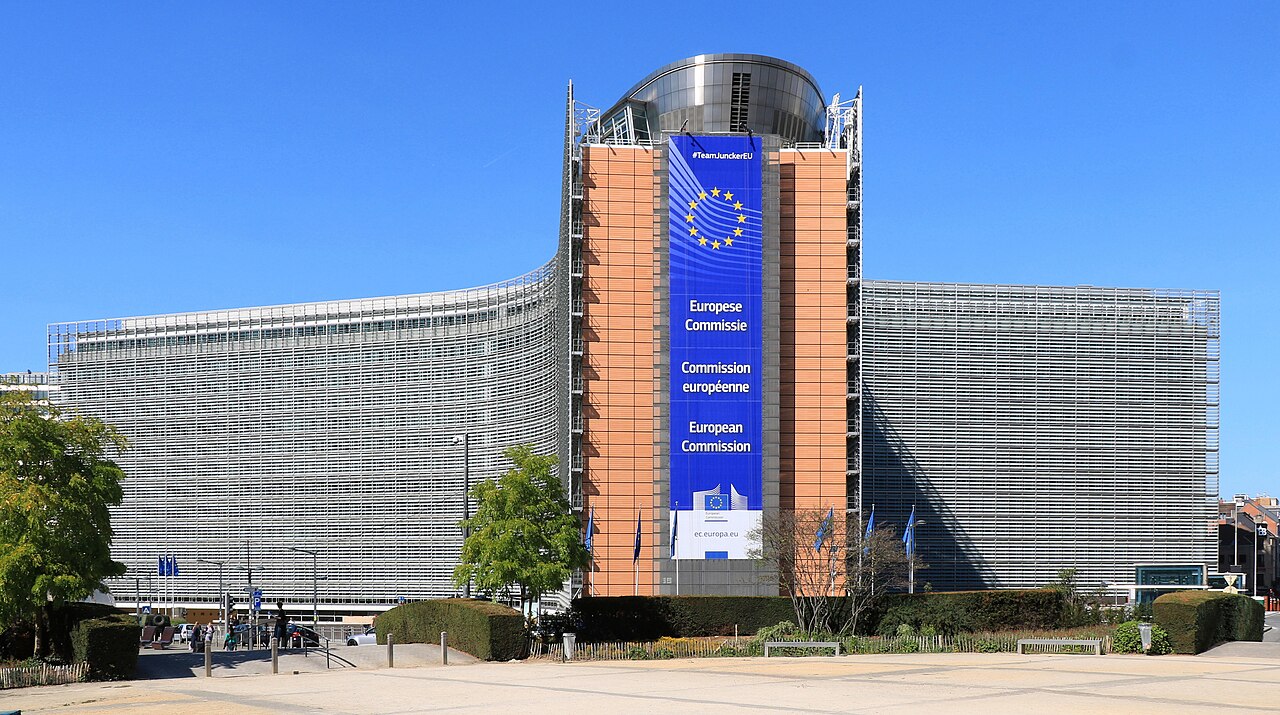
The European Commission opened a formal investigation into Booking.com under the Digital Services Act, launching an inquiry that targets the foundational mechanics of Europe's largest online travel agency.
For professional short-term rental hosts, hotel operators, and multi-unit property managers, this regulatory intervention goes far beyond corporate legal compliance in Brussels. The inquiry strikes directly at the daily operational reality of channel management. When phantom properties slip past verification systems, fraudulent actors hijack messaging feeds, and search algorithms obscure paid positioning, professional operators bear the financial and reputational fallout through arrival disruptions, chargeback disputes, and eroded guest trust.
What happened
The European Commission formally announced proceedings to assess whether Booking.com breached its legal obligations under the Digital Services Act, the European Union's flagship framework for digital platform governance. The investigation concentrates on three distinct operational areas: the dissemination of illegal content and fraudulent listings, security vulnerabilities in guest-host communications, and compliance with platform advertising transparency rules.
“Europeans should be able to book their holidays without fear of being scammed. The Digital Services Act sets clear responsibilities on platforms to address these risks, and we must ensure that the leading booking platform in Europe takes those responsibilities seriously.”
European Commission Executive Vice President Henna Virkkunen stated that the inquiry will determine whether the platform fulfilled its legal requirement to act diligently against illegal listings. Commission officials highlighted concerns regarding nonexistent properties, impersonation fraud, and non-compliant accommodation offers that undermine consumer protection standards across member states.
Investigators are analyzing the precise pathways through which reservation details and guest contact information are transmitted to accommodation providers. The probe targets the structural design of Booking.com's internal messaging portal to determine whether its security controls adequately protect user data from unauthorized exploitation. Additionally, the Commission is reviewing paid search placement mechanisms. While accommodation providers can pay higher commission rates to achieve greater search visibility, regulators expressed concern that these boosted entries fail to provide consumers with clear, unambiguous identification as paid promotional placements.
The investigation follows four years of risk evaluations, public transparency reports, and regulatory information demands issued in September 2025 and May 2026. The Commission clarified that while formal proceedings are active, no final finding of non-compliance has yet been established.
Consumer protection groups signaled strong support for the enforcement action. Agustín Reyna, director general of the European Consumer Organisation (BEUC), characterized online consumer fraud as a systemic issue affecting millions of European citizens daily. Reyna noted that fraudulent financial operations put substantial consumer funds at risk, demanding urgent enforcement to compel platforms to eliminate deceptive practices.
In response to the probe, a Booking.com spokesperson stated that the company is cooperating fully with European regulatory authorities. The company emphasized that security, platform trust, and personal data security remain central operating priorities. Booking.com reported that its internal security systems successfully blocked 14 million fraudulent transaction attempts last year, reflecting a 22 percent increase over previous figures. The platform cited its reliance on mandatory two-factor authentication for partner accounts, automated malicious link suppression, artificial intelligence fraud detection, and ongoing educational campaigns targeting WhatsApp phishing vectors and off-platform payment schemes.
The anatomy of a messaging breach
To understand why European regulators are examining Booking.com's messaging architecture, one must look at how property management software systems interface with online travel platforms. Unlike native peer-to-peer platforms that mandate all interaction remain inside closed mobile applications, commercial property management relies on multi-channel API integrations. Reservation data flows from the channel manager to the property management system, pulling guest names, telephone numbers, check-in dates, and masked email relays into a central dashboard.
This operational complexity creates entry points for bad actors. In a typical messaging scam, fraudsters gain access to an accommodation provider's account credentials through targeted phishing emails directed at front-desk staff or property management team members. Once inside the account dashboard, the intruder does not alter the property rates or cancel incoming reservations. Instead, they exploit the platform's native messaging system to send automated, highly believable messages directly to confirmed guests.
Because these messages originate from within the official Booking.com mobile application or web portal, traditional guest skepticism drops. The communication often alerts the guest that their credit card authorization failed, threatening immediate booking cancellation unless the cardholder verifies their financial details through an external web link. The linked page mirrors official payment interfaces, harvesting card credentials or directing instantaneous bank transfers. Fraud cases cited by consumer organizations highlight severe financial losses, including a documented April 2024 warning by Lloyds Bank detailing a traveler who lost 534 pounds after paying via a fraudulent link sent through official channel communications, only to find no accommodation upon arrival.
When a guest falls victim to this exploit, the operational crisis lands squarely on the genuine property manager. The guest arrives at the check-in desk convinced they have paid the property directly. Front-desk personnel must inform the guest that the money went to an offshore scammer, that the reservation remains unpaid, and that the messaging thread inside the official app was compromised. The resulting confrontation damages local operator reputation, triggers negative public reviews, and generates payment dispute costs that small businesses are ill-equipped to absorb.
Phantom properties and the verification gap
The second pillar of the European Commission's investigation focuses on the presence of fake listings and nonexistent properties. The short-term rental and hotel industries have long observed a fundamental operational split in how online booking channels onboard new inventory. While some platforms mandate upfront identity checks, land registry cross-referencing, or physical address verification before a calendar accepts live bookings, historical onboarding pathways on major travel portals emphasized frictionless inventory growth.
Fraudulent operators take advantage of instant onboarding pathways by copying high-resolution imagery from legitimate property management websites, architectural portfolios, or real estate sale listings. They establish listings using synthetic host profiles, set competitive nightly rates in high-demand metro areas, and open reservation calendars for peak travel dates. Because guests often pay through platform-managed payment systems or direct host processing, the fraudulent account can capture reservation deposits or upfront booking fees before local municipal regulators or field inspectors detect the anomaly.
For legitimate property management companies, phantom listings inflict structural damage on local market conditions. Synthetic inventory artificially inflates available supply figures in local municipal sub-markets, distorting dynamic pricing algorithms and depressing revenue per available room for real operators. Furthermore, when deceived travelers arrive at non-existent addresses, local law enforcement agencies and municipal councils routinely respond by proposing blanket restrictions on all short-term rental operations, misidentifying platform verification failures as evidence of broader neighborhood disruption caused by legitimate hosts.
The EU investigation tests whether platform operators must take active, preventative responsibility for verifying physical real estate assets prior to publishing listings. If European regulators mandate pre-listing verification protocols—such as mandatory video walkthroughs, utility bill verification, or geolocated property registration cross-checks—the standard operating procedure for launching new rental inventory across Europe will shift permanently.
Paid search rank and the mystery of undisclosed ads
Beyond security breaches and fake listings, the Digital Services Act probe touches the revenue engine of online travel distribution: commission-driven search visibility. In the short-term rental and hotel sectors, visibility in search results governs booking volume. Booking.com operates financial tools that allow accommodation providers to boost their position in search returns by voluntarily paying higher commission percentages above the base platform rate.
Under programs such as visibility boosters or preferred partner tiers, an operator can elevate their listing above competing properties in the same neighborhood by agreeing to pay elevated commission rates on completed stays. While this mechanism serves as a commercial tool for property managers seeking to fill low-occupancy periods, the Digital Services Act establishes strict rules regarding commercial transparency. The law mandates that digital platforms must clearly identify to end consumers when a search result position is influenced by commercial payment or elevated commission structures.
The European Commission is investigating whether Booking.com's search interface sufficiently distinguishes between organic algorithmic ranking—based on review scores, price competitiveness, and location relevance—and ranking positions achieved through elevated commission payments. Regulators argue that if a guest views a high-ranking listing without clear indication that the positioning was purchased through higher commission fees, consumer choice is manipulated.
For professional property managers, this aspect of the inquiry carries significant financial implications. If platforms are forced to apply prominent sponsored badges or commercial tags to listings utilizing commission boosters, the conversion efficiency of paid visibility tools may decline. Conversely, a fully transparent search marketplace protects independent operators who deliver superior guest review scores but refuse to pay premium commission rates to maintain basic search visibility.
The Digital Services Act comes for short-term rental giants
The regulatory foundation of this investigation rests on the European Union's Digital Services Act, which entered into full enforcement for major digital platforms in recent years. Under the DSA framework, platforms designated as Very Large Online Platforms—those reaching more than 45 million monthly active users in the EU—are subject to legal duties to identify, analyze, and mitigate systemic risks on their networks.
The law explicitly targets systemic operational risks, including the dissemination of illegal content, consumer fraud, data security breaches, and deceptive user interface designs known as dark patterns. Unlike historical legal frameworks that shielded digital intermediaries from liability for third-party content posted on their networks, the DSA imposes affirmative obligations on platforms to implement robust reporting channels, conduct swift takedowns of verified illegal listings, and maintain transparent advertising archives.
If the European Commission concludes that Booking.com failed to maintain diligent risk mitigation measures under the DSA, the financial penalties can be severe. Regulatory enforcement mechanisms allow the European Union to impose administrative fines reaching up to 6 percent of a platform's total worldwide annual turnover. Beyond financial penalties, the Commission holds the legal authority to mandate binding structural remedies, requiring fundamental redesigns of guest messaging interfaces, host verification workflows, and ad disclosure labels.
This probe signals a shift in how European regulators view online travel platforms. Brussels no longer treats travel portals as passive bulletin boards that simply connect travelers with accommodation providers. Regulators view major platforms as digital infrastructure managers responsible for enforcing data safety, physical asset verification, and financial transaction security across their networks.
The shifting liability from platform to operator
The friction between online platforms and professional property managers stems from how liability is distributed when operational failures occur. When a phishing attack succeeds inside a platform's messaging tool, the platform's initial protocol often focuses on account locking and automated security resets. Meanwhile, the property manager on the ground faces the immediate consequences: an angry guest standing in a lobby, damaged online reputation scores, and complex financial accounting disputes.
Payment processing mechanisms further complicate this liability allocation. In distribution environments where the platform acts as the merchant of record, collecting guest funds directly at the point of digital checkout, fraud mitigation remains largely centralized. However, where properties operate under host-processing models or direct payment gateways, payment validation falls onto the property management company's merchant accounts.
When a scammer convinces a guest to issue an off-platform bank transfer, the platform's standard customer service protocols frequently instruct the guest to contact their banking institution or file a report with local law enforcement. The guest, having initiated the interaction inside an official mobile app, frequently blames the accommodation brand displayed at the top of their reservation confirmation. The professional manager, who had no knowledge of the unauthorized messaging activity, suffers collateral brand damage, lost booking revenue, and the operational cost of managing displaced travelers.
When guest trust collapses inside an official messaging app, the property manager on the ground pays the price long before regulators issue a fine.
This structural misalignment explains why trade associations and professional manager groups closely follow the proceedings in Brussels. If European enforcement forces platforms to take legal and financial responsibility for security failures originating within native messaging portals, the financial burden of channel fraud will shift back toward the tech platforms that built the infrastructure.
What this means for cross-platform distribution strategies
For multi-property operators managing portfolios across Europe, the probe into Booking.com highlights the operational risks of reliance on any single online distribution channel. While Booking.com remains a dominant source of international travel demand throughout European metropolitan and resort markets, its operational architecture requires rigorous security oversight from participating property managers.
Professional operators must evaluate how channel managers and property management software suites handle API credential security. A single compromised staff account can expose guest reservation streams across an entire portfolio. Property management companies that fail to enforce strict role-based access controls, mandatory multi-factor authentication, and IP-restricted login protocols for front-desk personnel remain vulnerable to credential theft schemes that target online travel platform portals.
Furthermore, the investigation emphasizes the strategic necessity of developing direct booking channels equipped with secure payment gateways. While online travel agencies provide essential global distribution reach, building direct relationships with repeat guests reduces operational exposure to channel-specific messaging hacks, commission bidding wars, and unannounced platform algorithm modifications.
As the European Commission advances its inquiry through evidence gathering, platform witness interviews, and system inspections, property managers operating in European markets must prepare for stricter compliance requirements. Platforms operating under DSA scrutiny will inevitably push stricter verification requirements down to property hosts, demanding verified corporate registration numbers, detailed property access records, and tighter API integration standards.
What hosts should do now
Property managers and short-term rental operators must take immediate operational steps to secure their platform channels, protect guest communication workflows, and minimize liability exposure during ongoing regulatory reviews.
- Enforce mandatory multi-factor authentication across all platform access points: Mandate that every staff member, property manager, and front-desk agent accessing OTA administrative portals utilizes multi-factor authentication, prioritizing hardware keys or authenticator apps over basic SMS verification.
- Audit third-party software permissions and API keys: Review all active integrations between your property management system, channel manager, and Booking.com account. Revoke access for legacy software connections, cut unused user accounts, and enforce role-based access permissions.
- Implement automated guest security disclaimers: Configure pre-arrival message templates across all channels explicitly informing incoming guests that your property will never request additional bank transfers, credit card updates, or off-platform payment verifications via third-party chat links.
- Establish direct guest identification protocols: Use secure, compliant digital check-in tools outside platform messaging systems to collect guest identity verification and deposit authorizations directly through your own merchant gateway.
- Monitor local market listings for photo theft: Conduct periodic reverse-image searches of your property photography to detect synthetic listings or unauthorized profile mirroring by fraudulent actors on secondary distribution channels.
As European regulators enforce strict compliance across global booking platforms, professional hospitality operators who prioritize cybersecurity, transparent payment processing, and direct guest communication will secure their operations against industry disruption.
Checked by the standards desk (Eleanor Quist): 31 specifics checked, 29 traced to the source material and the sources added below, 1 removed before publication.
Sources
- RSU by PriceLabs - reported October 30, 2026.
- Yahoo - EU probes Booking.com over alleged failure to tackle scams and fraud.
- Courthouse News Service - Booking.com faces EU investigation over scams and hidden ads | Courthouse News Service.
- digital-strategy.ec.europa.eu - DSA: Very large online platforms and search engines | Shaping Europe’s digital future.
Read and analysed by the Stay Gazette desk.
Report an error in this story · Corrections policy and log




Read the desk every morning.
The day's crackdowns and platform moves, the money, the design and the stays going viral, plus the desk's verdict, in one short email every morning.
Comments