
The Cash Flow Lie Exposed in Iowa
On paper, a Midwest duplex promised nine hundred dollars a month. In reality, a single turnover slashed margins to four hundred. Here is the math hosts must face.
Every spreadsheet in residential real estate is a polite fiction until the plumbing cracks, the tenant departs, or the local building inspector comes knocking. For years, operators in the short-term rental sector looked down on traditional residential landlords. The logic circulating in host message boards was straightforward: why settle for two hundred dollars a door on a twelve-month lease when a three-bedroom ranch on Airbnb can throw off two thousand dollars in gross booking margin every single month?
Then the regulatory hammer fell across North America and Europe, platform algorithms changed, travel spending normalized, and commercial debt reset at generational highs. Weary short-term operators, exhausted by demanding guest messages, five-star review hostage-taking, and mounting municipal compliance fees, began discussing an orderly retreat. The popular consensus was simple: pull the listing from Airbnb, put a long-term tenant in place, and collect quiet, predictable mailbox money.
A recent recorded discussion on the BiggerPockets podcast delivered a sobering counterweight to that fantasy. Two experienced Midwest operators, Amelia McGee and Grace Gudenkauf, co-authors of the book The Self-Managing Landlord and leaders of the WIRE investor group, opened their actual bank records to show what residential doors genuinely produce once the tax returns are filed. For short-term rental operators plotting an exit into traditional residential leasing, the ledger provides a necessary cold shower.
What happened
During the podcast broadcast with co-host Henry Washington, Grace Gudenkauf presented the actual trailing twelve-month accounting for a side-by-side duplex located in Eastern Iowa. The property represents a classic small-market residential investment.
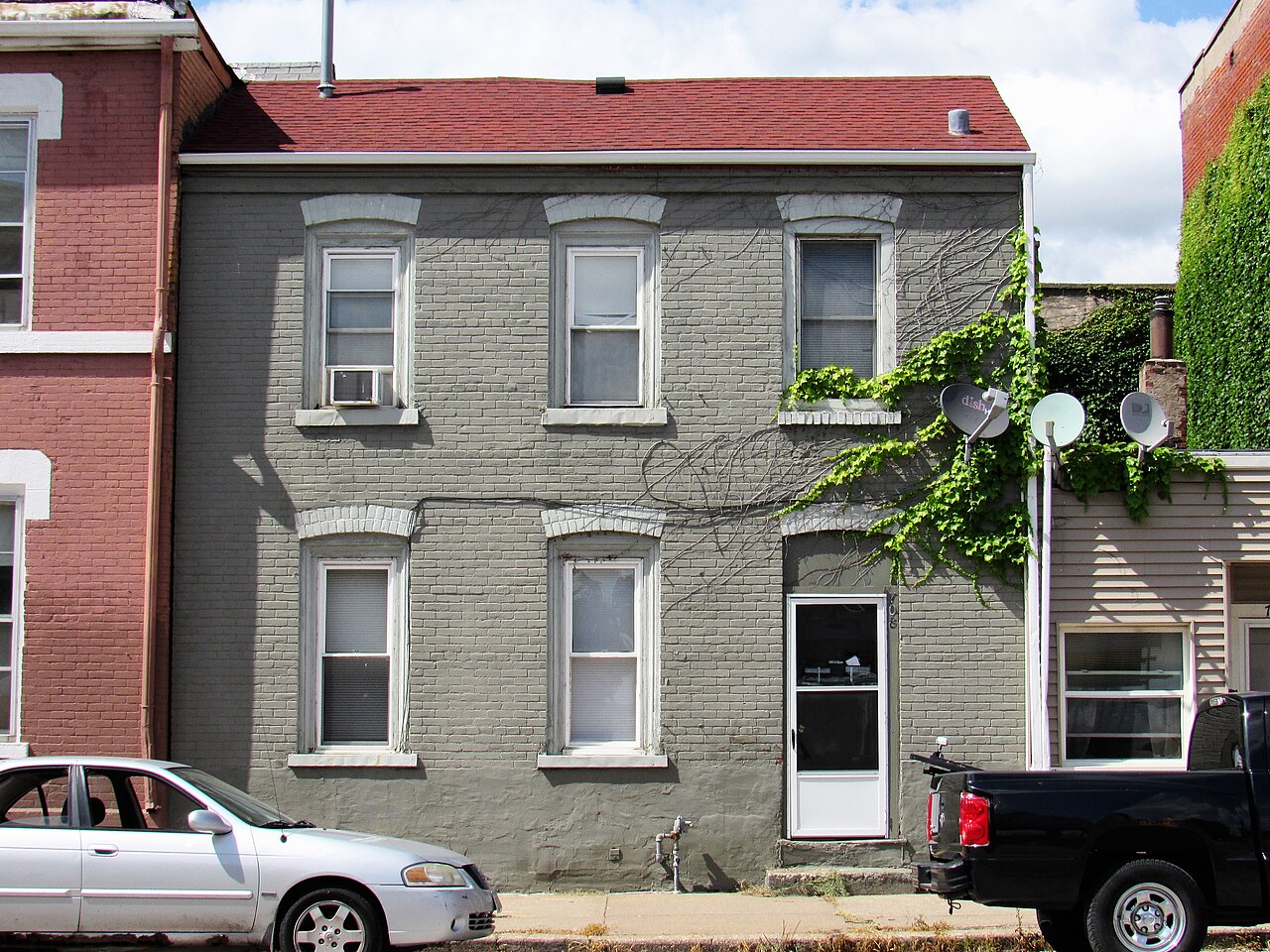
She secured the deal with an uncommon loan structure: a 10% down payment negotiated directly with a local community bank vice president, based on built-in equity and existing tenants. The building carries a monthly mortgage payment, covering principal, interest, taxes, and insurance, of exactly $1,247. The scheduled market rent for the two units sits at $2,150 per month, roughly $1,075 per two-bedroom apartment.
On paper, the spread appears attractive. Subtracting the $1,247 fixed monthly payment from the $2,150 scheduled collection produces what Gudenkauf called phantom cash flow of roughly $900 a month. In an online seminar or a generic real estate calculation sheet, that duplex looks like an effortless ten-thousand-dollar annual cash cow.
The QuickBooks accounting showed a radically different picture. Over the course of the trailing twelve months, actual collections totaled $20,354. That top-line slip occurred because tenants do not always pay on time, transition periods happen, and friction is constant. More significantly, an inherited resident who had occupied the property for three years moved out, leaving the apartment badly damaged. The repair bill for that single turnover totaled $4,100.
After paying all operational costs, turnover repairs, and debt service, the net income reported on the property was $7,170.96. Once principal amortization and incidental physical costs were fully reconciled, the actual distributable cash flow for the entire year stood at $5,304. That comes out to exactly $442 per month.
“I love the term phantom cash flow. I often just say cashflow is a myth. And I often say that because a lot of investors get into this business to buy rentals, to generate cash flow, to replace our expenses. And then as you buy rentals, you realize that is very hard to do.”
The anatomy of phantom cash flow
Washington highlighted an industry reality that promoters often conceal: projected cash flow and taxable, spendable cash flow rarely share the same postal code. When underwriting software calculates returns, it models expenses as neat, tidy percentages. The math looks orderly on a computer screen.
Physical buildings do not consume capital in five percent increments. A roof does not leak by five percent of gross monthly rent. A furnace does not fail incrementally across twelve operating statements. Properties run smoothly for eight months, creating the illusion of effortless margin, and then demand five thousand dollars in an afternoon.
This dynamic mirrors the operating headaches of short-term rentals, yet many vacation rental owners fail to recognize it. In the short-term sector, volatility appears in cleaning fees, linen replacements, platform take-rates, and sudden swings in occupancy. In long-term housing, the volatility is compressed into discrete, expensive events. Gudenkauf’s ledger shows that a single physical turnover consumed more than nine full months of the asset’s entire net cash flow.
When an operator relies on residential property cash flow to fund living expenses, that lumpy distribution creates immense personal strain. An average return of $442 a month does not mean an investor receives a $442 deposit every thirty days. It means the account balance sits flat or dips into negative territory for months, punctuated by brief moments of recovery.
Properties run smoothly for eight months, creating the illusion of effortless margin, and then demand five thousand dollars in an afternoon.
The flight from Airbnb to annual leases
Across major metropolitan centers and seasonal vacation destinations, short-term rental operators have faced unprecedented regulatory rollbacks. Cities from New York to Dallas have instituted sharp restrictions, forcing thousands of properties off listing channels. The standard advice distributed in host networking groups has been to transition those units into either thirty-day medium-term rentals or standard one-year residential leases.
The transition is rarely as seamless as described. Short-term rentals are hospitality businesses operating on real property. Long-term rentals are tenant-management businesses governed by statutory landlord-tenant laws. The margin profiles could not be further apart.
When an Airbnb host manages a difficult traveler, the stay ends in seventy-two hours. The platform processes a security claim, the host blocks the profile, and the unit turns over to a fresh reservation. When a long-term landlord inherits or places a problematic tenant, the timeline stretches from weeks into months. Gudenkauf noted that her inherited tenant had occupied the Eastern Iowa unit for three years before leaving behind four thousand dollars in physical devastation.
Furthermore, operators converting furnished short-term rentals into traditional leases often find themselves sitting on depreciating furniture packages while accepting rental rates that barely cover newly adjusted property taxes and surging property insurance premiums. A vacation home that once cleared four thousand dollars in gross revenue during a peak summer month might bring fifteen hundred dollars on an annual lease. If the debt service was structured during the cheap-money era of 2021, the property may stay solvent. If it was financed with recent commercial debt, the conversion instantly turns cash flow negative.
The small bank handshake
One critical element of Gudenkauf’s deal structure was the financing method. Rather than relying on rigid conventional agency mortgages or specialized debt-service coverage ratio loans from national lenders, she financed the four-unit package through an established community bank in Iowa where she had banked for years.
She requested a loan with zero money down, citing the existing equity in the package. The lender countered with a 10% down requirement, which she accepted. That flexibility is almost impossible to find inside Wall Street securitized debt products, which routinely require 20% to 25% equity for non-owner-occupied residential collateral.
For short-term operators looking to restructure their portfolios, this distinction matters. During the pandemic expansion, hosts flocked to debt-service coverage ratio lenders who underwrote loans strictly on projected Airbnb revenues. Those loans carried higher interest rates, aggressive prepayment penalties, and zero relationship flexibility.
When revenues slumped, those borrowers discovered that national mortgage servicers do not pick up the phone to discuss payment deferrals or modified terms. A local community bank holds portfolio loans on its own balance sheet. The vice president sits down the street. When a turnover repair eats three quarters of cash flow, a community banker understands local market values and works through the disruption, provided the borrower maintains honest communication.
The nine-month turnover penalty
The defining figure in Gudenkauf’s ledger is the $4,100 spent repairing the unit after the inherited resident moved out. That repair expense represents the central operational vulnerability of small residential real estate.
Consider the math: at an actualized return of $442 per month across both units, the duplex produces roughly $221 in cash flow per unit each month. A $4,100 turnover bill represents eighteen and a half months of that single unit’s net operational earnings. An owner who owned only that one door would have operated for over a year and a half just to break even on the physical clean-up.
This reality exposes the danger of aggressive rent increases. Many real estate coaching programs advise landlords to push rents to top-of-market levels at every renewal. Yet if an aggressive rent bump of fifty dollars a month causes a stable, clean tenant to move out, the resulting vacancy and turnover repairs can swallow years of that incremental gain.
An owner capturing an extra six hundred dollars across a year who then spends four thousand dollars on paint, carpet replacement, and lost rent during an unforced turnover has destroyed their own balance sheet. In residential real estate, tenant retention is often the single most effective cash-flow preservation strategy available.
The math of the ten-door treadmill
Amelia McGee addressed the popular fantasy of leaving a corporate job to live off rental properties. The mathematics revealed by Gudenkauf’s duplex provide a sobering baseline for anyone calculating their financial independence target.
If an investor requires fifty thousand dollars per year in post-tax net income to cover household living expenses, and each duplex produces approximately five thousand dollars in actual annual cash flow, that investor must acquire, stabilize, and manage ten such properties. That equates to twenty doors. If each building costs around $150,000, the investor must deploy hundreds of thousands of dollars in down payments, closing fees, and working capital reserves.
McGee, who operates 41 doors across Des Moines while maintaining a portfolio that blends long-term, medium-term, and short-term assets, was unambiguous about the timeline. Building that volume of residential holdings takes years of active earnings. It cannot be funded by the assets themselves during the early stages.
For the short-term host who owns two or three listings and dreams of flipping them into a hands-off long-term portfolio, the scale requirement is jarring. Transitioning from five Airbnb units to five traditional long-term units does not create a full-time livelihood; it creates a modest side income that is consistently vulnerable to capital calls.
Paper wealth against cold liquidity
There is, however, an entirely different side to the Iowa ledger. While the operational cash flow of $442 a month seems modest, the broader balance sheet told an entirely different story over five years of ownership.
In addition, the tenants have steadily paid down the underlying bank mortgage month after month, amortizing the principal balance at no cost to the owner.
This creates the central paradox of small residential property ownership: an investor can simultaneously feel starved for cash in their daily checking account while growing substantial net worth on their personal financial statement. The wealth is real, but it remains trapped inside brick, mortar, and land until unlocked by a sale or cash-out refinancing.
Short-term rentals historically provided the exact opposite profile: immediate, high-velocity cash distributions combined with minimal long-term equity growth, particularly for master-lease operators who owned no underlying real estate at all. As those high-velocity returns compress, hosts are having to learn the patient, illiquid discipline of traditional property ownership.
What hosts should do now
Short-term operators re-evaluating their portfolios or contemplating an exit into medium-term or traditional residential leasing should adjust their operating procedures immediately.
- Re-underwrite existing portfolios on trailing twelve-month realities: Strip out idealized five-percent maintenance assumptions and model real-world turnover costs of at least four thousand dollars per transition event.
- Prioritize tenant retention over nominal rent increases: Recognize that forcing a good tenant out over a small monthly adjustment will destroy nearly two years of profit margin if a unit turnover occurs.
- Build relationships with local community depository banks: Transition away from transactional, high-fee non-bank lenders toward local financial institutions that offer portfolio loan flexibility and flexible terms.
- Maintain a ring-fenced operational reserve per door: Keep a minimum of six months of debt service and capital expenditure reserves in liquid funds for every residential unit in the portfolio.
- Separate net worth expectations from living expenses: Avoid planning personal living budgets around rental property cash flow; let the assets compound through principal amortization while funding lifestyle expenses through active business operations.
The numbers from Iowa prove that small residential property investing remains a viable wealth engine over a ten-year horizon. But anyone expecting it to deliver effortless, immediate freedom will find that the ledger rarely forgives an optimist.
Checked by the standards desk (Eleanor Quist): 39 specifics checked, 32 traced to the source material, 3 general background, 4 removed before publication.
Report an error in this story · Corrections policy and log





Read the desk every morning.
The day's crackdowns and platform moves, the money, the design and the stays going viral, plus the desk's verdict, in one short email every morning.
Comments