Hawaii Turns to Vacation Rentals and Hotels to House Maui Fire Survivors
After wildfires burned through Lahaina on 8 August 2023, Hawaii asked owners to rent rooms and vacation rentals to displaced residents, moved survivors into hotels and Airbnb units, and discouraged nonessential travel to West Maui. Airbnb offered refunds on Maui bookings, and Honolulu paused its 30-day rental rule for two weeks.
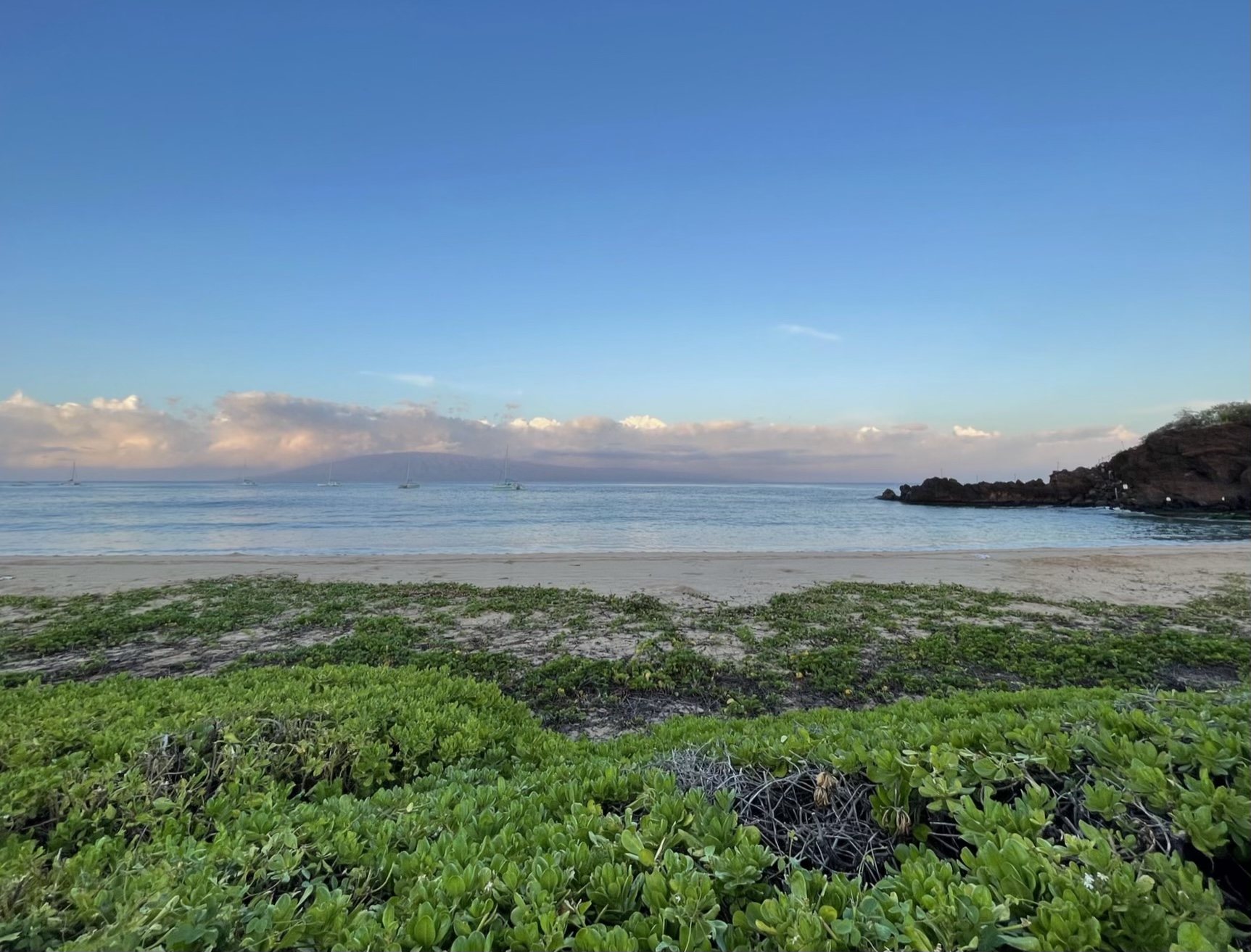
The beach at Kaanapali on the western shore of Maui, photographed on 25 March 2021, more than two years before the August 2023 wildfire. Photo: Kaanapali Beach Maui by John P Salvatore, CC BY-SA 4.0, via Wikimedia Commons (resized).
From the record. This is a look back at August 2023. The desk wrote it on 11 October 2026 from sources published at the time; Stay Gazette opened in July 2026 and did not report this as it happened.
On 8 August 2023, wildfires burned through the town of Lahaina and other parts of Maui. Governor Josh Green, in an address ten days later, said hurricane-force winds had fanned them. Acting Governor Sylvia Luke declared a state of emergency in Maui and Hawaii counties on the day of the fires. On 29 August the County of Maui said there were 115 confirmed fatalities, with 100% of the Lahaina disaster area searched.
For the people who own and manage vacation rentals in Hawaii, the weeks that followed changed what the island's visitor beds were used for. The state asked owners to rent rooms and vacation rentals to displaced residents, and it asked visitors to stay out of West Maui so that hotels and other accommodations could house survivors and emergency workers.
What officials counted
The official toll rose through the month, and each figure belongs to its date. At a briefing on Saturday 12 August, Maui County Mayor Richard Bissen gave the latest available number of victims as 89. On 18 August, Green said the number of lives lost had climbed to over one hundred and that he expected it to rise. The county's update of 29 August gave 115 confirmed fatalities.
Green put the damage on 18 August at more than 2,200 buildings destroyed and another 500 damaged, and the estimated cost at nearly $6 billion. UHERO, the economic research organization at the University of Hawaii, estimated on 31 August that the fire had taken roughly 2,000 homes in Lahaina, which it put at 3% of Maui's residential housing stock. It counted roughly 1,500 rooms in the visitor accommodations and short-term vacation rentals that were among the buildings destroyed.
What the state asked of owners
On 13 August, Green and the Hawaii Housing Finance and Development Corporation announced the Hawaii Fire Relief Housing Program, a list that matched displaced Maui residents with owners who had rooms, units or houses to offer. The release said more than 1,000 families and individuals had lost their homes, and Green said the state intended to seek 2,000 rooms at first.
“We are asking folks in the community to rent out those extra rooms, the ‘ohana units or accessory dwelling units (ADUs) in their homes, vacation rentals, or whatever safe and secure rooms they have available,” he said in that release, and the state repeated his words in a release of 17 August.
The program was a referral service only. It gave no money to owners or to displaced people, the corporation said on 22 August. It hoped owners would charge minimal or no rent, but the terms were left to the owner and the resident under a standard rental agreement. FEMA was giving financial assistance directly to eligible displaced people, the corporation said, and that money could be used to rent a unit at fair market rent.
In the same release the corporation said more than 900 houses, apartment units and rooms had been offered, just over half of them on Maui and about 30% on Oahu. Nearly 80 families had been placed.
At the 12 August briefing Green said the state had already secured 1,000 rooms. “In the days that follow, we’ll have long-term rentals, those are the short-term rentals-turned-long-term,” he said. He said the cost would be covered partly by the state and partly by charity, with FEMA covering a great deal of it, Hawaii Public Radio reported.
Airbnb.org and the hotels
On 15 August, Green and Airbnb.org jointly announced a commitment: free, temporary stays for at least 1,000 people the fires had displaced. Airbnb.org, a nonprofit, said the stays were funded by Airbnb, by its own donors and by its hosts. It said it did not take requests from individuals: the stays were to be arranged through nonprofits and government bodies, Maui Economic Opportunity among them.
Two official counts of the Airbnb placements were published, and they differ. Hawaii's Department of Human Services said in a release posted on 23 August that over 1,700 displaced residents had been matched with Airbnb accommodations, and that Airbnb was committed to matching 200 more households by Friday 25 August. On 25 August the governor's office said some 900 people were booked in Airbnb units.
The larger share went to hotels. The Royal Lahaina Resort in Kaanapali was the first to receive survivors, the state said on 17 August. On 25 August the governor's office said the last American Red Cross shelter had closed on Tuesday 22 August, and that more than a dozen hotels and timeshare properties were housing more than 4,400 survivors, hotel employees among them. The Red Cross was running that housing for the state under contract, the release said, and the money came through FEMA's non-congregate sheltering program.
West Maui and its visitors
Green's fifth emergency proclamation, issued on 13 August, advised against nonessential trips to West Maui, so that rooms there could go to displaced residents and emergency workers. The sixth, signed on 19 August, said visitors had largely heeded the call to leave. It strongly discouraged nonessential travel to the district, set its emergency period to run through 17 October 2023 unless it was ended or replaced sooner, and barred price increases on the island of Maui, rent increases included. Green kept the request to the one district: in his 18 August address he said all other areas of Maui and the rest of Hawaii were open to visitors.
UHERO put numbers on the district. West Maui had more than 10,000 hotel, timeshare and vacation rental rooms, it said, about half of all the visitor rooms on the island. Straight after the fire, it said, visitor numbers on the island fell by about three-quarters, and at about $270 of daily spending per visitor it put the revenue lost at more than $13 million a day. It forecast that reaching the visitor numbers seen before the fire might take years.
What the platforms and managers did
KRON4 reported on 11 August that Airbnb would give full refunds to guests with bookings on Maui who asked for them, citing a company representative. The representative said Airbnb's extenuating circumstances policy applied to the whole of Maui and to parts of the Big Island. Under it, the station reported, hosts in the affected areas could cancel without fees or other consequences, and Airbnb said the policy took precedence over a listing's own cancellation terms.
On Oahu, the city of Honolulu on Friday 11 August suspended its law requiring a 30-day minimum rental period on vacation rentals, Honolulu Civil Beat reported. The suspension was due to last through the end of the month. Two weeks after it began, on 25 August, the city lifted it and said Oahu had enough hotel rooms. Mayor Rick Blangiardi said “we are resuming in full force our efforts to terminate illegal short-term vacation rentals,” and encouraged owners who could help to consider joining the state program and turning short-term vacation rentals into long-term housing.
One trade report showed what the fire took from the business itself. Short Term Rentalz wrote on 15 August that Coconut Condos, a holiday home letting agency based in Lahaina, said its office and warehouse had burned down and that 90 per cent of the properties belonging to its owners were gone.
The Gazette Verdict, looking back
Putting people who had lost their homes into visitor rooms was the right first call, and the figures reported in August 2023 show how fast it was done. The last Red Cross shelter closed on 22 August, two weeks after the fire. On 25 August the governor's office counted more than 4,400 survivors in hotels and timeshares and some 900 people booked in Airbnb units, in housing it said was funded through FEMA. Airbnb.org said its stays were paid for by Airbnb, by donors to Airbnb.org and by its hosts. The state's referral list paid no one and had placed nearly 80 families by 22 August, from more than 900 houses, units and rooms offered. A host in a visitor district should know, before an emergency, what the platform's cancellation policy and a governor's proclamation can require, and should decide ahead of time whether the home could be offered to displaced neighbors.
The other side
Visitor rooms were a short-term answer, and their cost fell on the island's workers. UHERO, which said the use of vacant rooms gave immediate relief, also estimated that every 1,000 units not rented to tourists meant a potential $30 million monthly loss for local businesses, and said displaced residents and emergency staff did not spend as visitors did. West Maui held about half of the island's visitor rooms, and hotel employees were among the survivors housed in them. Honolulu said after two weeks that Oahu had enough hotel rooms and restored its rental limits. On that reading, recovery depended on finding other long-term housing and on visitors returning to the rooms.
What it meant for hosts
At the end of August 2023, an owner or manager of a vacation rental in Hawaii had these points to work from.
- Bookings on Maui: KRON4 reported that under Airbnb's extenuating circumstances policy, guests with eligible stays could cancel for a full refund and hosts in the affected areas could cancel without fees, whatever the listing's own cancellation terms said.
- West Maui: nonessential travel was strongly discouraged under a proclamation set to run through 17 October 2023 unless ended or replaced sooner. The governor said the rest of Maui was open to visitors.
- Rents: the proclamation barred price increases on Maui, rent increases included, for as long as it ran.
- Offering a home: the state's referral program listed a unit and left the rent to the owner and the resident, with no money from the program for either. Airbnb.org asked anyone in Hawaii with a home or spare room to offer it to survivors free or at a discount.
- Oahu: the 30-day minimum on vacation rentals was suspended on 11 August and back in force on 25 August. Honolulu Civil Beat reported that an October 2022 ordinance let the city fine violators $10,000 per day.
Sources
- Office of the Governor, State of Hawaii, HHFDC Press Release: Hawaiʻi Fire Relief Housing Program launch (13 August 2023).
- Office of the Governor, State of Hawaii, Office of the Governor – News Release – Gov. Green, Federal Officials Provide Updates on Maui Damage (13 August 2023).
- Office of the Governor, State of Hawaii, Office of the Governor – News Release – Gov. Green Issues Fifth Emergency Proclamation Relating to Wildfires (13 August 2023).
- Airbnb Newsroom, Governor Green and Airbnb.org announce housing support for Maui (15 August 2023).
- Office of the Governor, State of Hawaii (Department of Business, Economic Development and Tourism release), DBEDT NEWS RELEASE: State Launches Hawai‘i Fire Relief Housing Initiatives (17 August 2023).
- Office of the Governor, State of Hawaii, Address on the Maui Wildfire Disaster – Friday, August 18, 2023 (18 August 2023).
- Office of the Governor, State of Hawaii, Sixth Proclamation Relating to Wildfires (19 August 2023).
- Hawaiʻi Housing Finance and Development Corporation, HHFDC housing referral program ends first week with 900-plus dwelling options for displaced Maui residents; Governor Green urges more property owners to participate (22 August 2023).
- Office of the Governor, State of Hawaii (Department of Human Services release), DHS REMINDS PUBLIC AIRBNB SPACE IS STILL available DEADLINE TO REGISTER APPROACHING (23 August 2023).
- Office of the Governor, State of Hawaii, Office of the Governor – News Release – Maui Wildfire Survivors Successfully Moved from Shelters into Hotels, Timeshares and Airbnb Units (25 August 2023).
- County of Maui (Wayback Machine capture of 30 August 2023), 8/29 COUNTY OF MAUI WILDFIRE DISASTER UPDATE (29 August 2023).
- UHERO, the University of Hawaiʻi Economic Research Organization, After the Maui wildfires: The road ahead. (31 August 2023).
- KRON4 (Wayback Machine capture of 13 August 2023), Will Airbnb refund a Maui booking after wildfires? (11 August 2023).
- Honolulu Civil Beat, Honolulu Suspends Short-Term Rental Law To Aid Wildfire Survivors (11 August 2023).
- Hawaiʻi Public Radio, Honolulu suspends 30-day rental regulations to help house displaced families (14 August 2023).
- Short Term Rentalz, STR industry unites to support those affected by Hawaii wildfires (15 August 2023).
- Honolulu Civil Beat, Honolulu Restores Limits Under Short-Term Rental Law (25 August 2023).
Part of the Stay Gazette record for August 2023. Filed on 11 October 2026; every specific was checked against the sources above, which were read on or before that day. To report an error, write to the desk; see the corrections policy.

Also filed on August 2023
- The MoneyAirbnb Posts Its Most Profitable Second Quarter as Hosts Cut PricesAirbnb reported net income of $650 million for the second quarter of 2023 on 3 August. Its listings grew 19% while nights and experiences booked grew 11%, and the company said hosts had begun lowering prices with its new pricing tools.
- The recordAugust 2023, the whole month
- The recordEvery month on the record