England Proposes Planning Permission and a Register for Short-Term Lets
Ministers proposed a planning class of its own for short-term lets, with a local power to demand planning permission for new ones, and asked how a national register should work. Existing lets would be reclassified without an application. The short-term rental trade association backed the register and opposed the planning rule.
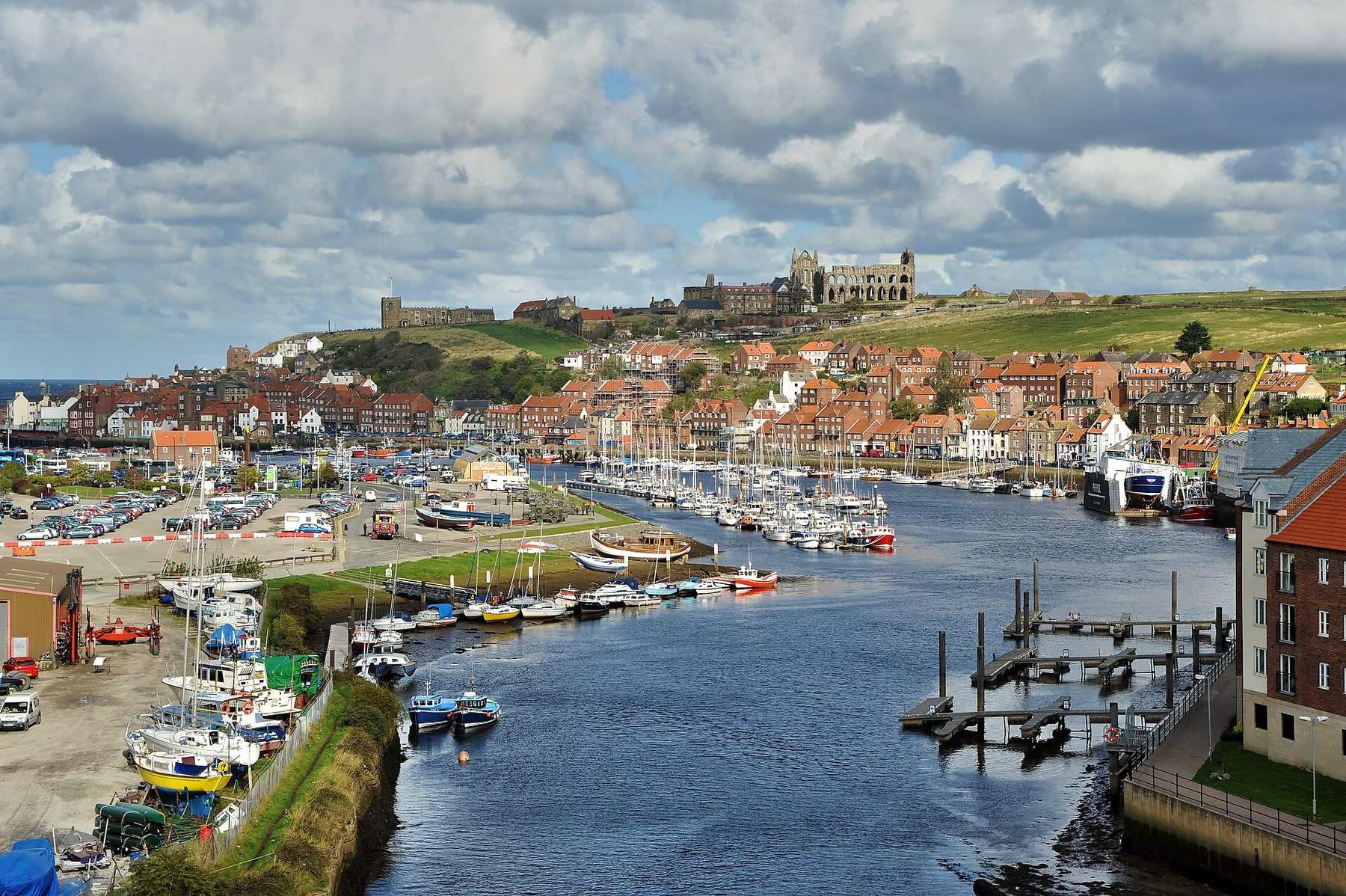
Whitby and the River Esk in North Yorkshire, photographed on 19 October 2011. Whitby was among the coastal towns named in reports on the April 2023 proposals. Photo: Whitby and the River Esk (2011.10.19) by Geir Hval (www.Macwhale.eu), CC BY-SA 4.0, via Wikimedia Commons (resized).
From the record. This is a look back at April 2023. The desk wrote it on 11 October 2026 from sources published at the time; Stay Gazette opened in July 2026 and did not report this as it happened.
On 12 April 2023, the UK government proposed that turning a home in England into a short-term let could require planning permission, and opened a second consultation on a register of short-term lets. Both were proposals. Neither changed the law that month.
The planning paper came from the Department for Levelling Up, Housing and Communities under Michael Gove, the register paper from the Department for Culture, Media and Sport under Lucy Frazer. Both consultations ran until 7 June 2023, and the government said that, subject to the outcome, the planning changes would follow through secondary legislation later in 2023, in England only.
Gove put the case in the government's press release: “Tourism brings many benefits to our economy but in too many communities we have seen local people pushed out of cherished towns, cities and villages by huge numbers of short-term lets.”
What the planning paper proposed
- A class of its own. Short-term lets would get a new planning use class, C5, defined as a dwellinghouse that was not a sole or main residence and was used as temporary sleeping accommodation for holiday, leisure, recreation, business or other travel. Ordinary homes would stay in class C3.
- No application for existing lets. A property that already met the definition would be reclassified as C5, and the paper said its owner should not need to apply for planning permission.
- A local switch. Two permitted development rights would let a home become a short-term let, and a short-term let go back to being a home, without a planning application. Where a council had evidence of a local issue, it could remove the first right by making an Article 4 direction, and a new short-term let in that area would then need planning permission. The paper said a direction should cover the smallest area possible, down to particular streets or individual properties.
The paper also asked about people who let the home they lived in. It suggested an allowance to let a sole or main home for a set number of nights a year without planning permission, and asked whether the limit should be 30, 60 or 90 nights. London already had such a rule: a household paying council tax there could let its home for up to 90 nights in a calendar year, and needed planning permission to let for longer.
Letting a room to a lodger in a main home would be unaffected. A second home also let for part of the year would fall into C5 where it met the definition. The government said neither measure would affect hotels, hostels or B&Bs.
What the register paper asked
The register was already in motion: the government was legislating for it in the Levelling Up and Regeneration Bill, then before Parliament. The April paper asked how it should work, and set out three models:
- a scheme that each local authority could choose to join, inside a national framework;
- the same scheme with a review point that could make it mandatory;
- a mandatory scheme across England, run by VisitEngland, by local authorities or by another competent authority.
The paper asked whether platforms should require a valid registration number before listing a property, an approach it called no number, no listing. It asked which safety rules a property should satisfy to be registered, with gas, boiler, fire, electrical and furniture safety on the list. The scheme was meant to pay for itself through fees charged to owners or providers, and was not intended to raise more than it cost. Penalties would be civil: the paper said the government had no plans for criminal sanctions. It also asked whether an owner should be able to let below some threshold without registering, for example a set number of nights, or a single room in the owner's main home.
Why ministers acted
The government's own papers showed that nobody had a firm count. Working from the responses to its call for evidence, the culture department put the number of short-term and holiday letting listings in England in 2022 at approximately 257,000, with 62% of them in the South West, London and the South East. It said the figure was thought to be an underestimate, though it might count some listings twice. The planning paper cited a House of Commons briefing paper that noted an estimate of 148,000 properties in England let short-term through online platforms in September 2021, and a 661% rise in Cornwall's short-term listings over the five years to that date.
The same evidence pointed to small operators. The department said there was no authoritative data on who the hosts were, but that analysis of the responses found the average host listed 1-2 properties and earned £5,000-£6,000 a year.
An earlier call for evidence had drawn 4,000 responses. Of all respondents, 60% supported further intervention, 42% supported a registration scheme and 18% favoured something stronger, such as licensing.
From April 2023, the planning paper said, a property qualified for business rates only if it was available to let for at least 140 days in the previous and current year and was in fact let for at least 70 days in the previous 12 months.
How the trade and politicians reacted
The trade's association accepted the register and opposed the planning rule. “We support a registration scheme but introducing a planning permission requirement completely ignores the contribution short-term rentals make to the economy”, said Andy Fenner, CEO of the Short Term Accommodation Association, in remarks carried by Short Term Rentalz. He said many thousands of small businesses would be affected, and that similar measures in Edinburgh had reduced the availability of short-term rentals.
Airbnb welcomed the register and was more guarded on planning. “Airbnb has long called for a national register for short-term lets and we welcome the government taking this forward”, said Theo Lomas, its head of public policy and government relations for Northern Europe. He asked that any planning intervention be carefully considered and evidence-based.
The hospitality trade wanted more. Kate Nicholls, chief executive of UKHospitality, said both registration and inspections had to be mandatory, and that an opt-in scheme would be a loophole.
In Scarborough and Whitby, in North Yorkshire, politicians from different parties welcomed the plan, the BBC reported on 14 April 2023. Alison Hume, the Labour Party's parliamentary candidate for the seat, welcomed it too, but said it was not yet clear how the government would stand up to lobbying by large companies such as Airbnb.
In national politics the plan was attacked from both directions, the BBC reported. The former Conservative housing secretary Simon Clarke called the planning requirement anti-business and said it stemmed from a failure to build enough homes. The Liberal Democrats said the consultation came far too late.
Since then
On 19 February 2024, the government said future short-term lets would be made subject to the planning process, with councils able to require planning permission, and that a mandatory national register would be introduced. It said people would still be free to let the home they live in for up to 90 nights a year without planning permission, and that existing dedicated short-term lets would move into the new use class automatically, with no planning application.
The Gazette Verdict, looking back
The April 2023 package, as proposed, was kinder to working hosts than the coverage made it sound. An existing short-term let would pass into the new class with no application, a council would need evidence of a local issue before it could demand planning permission for new ones, and the register was to carry civil penalties and fees limited to cost. The bill would fall on whoever came next: the buyer hoping to convert a home on a street where the council had used its switch, and every host, who would fund the register through fees. For a trade in which, on the culture department's evidence, the average host listed 1-2 properties and earned £5,000-£6,000 a year, that would be a real cost. The lesson for a host was to answer the consultation, keep safety certificates in order, and be able to show that a property was already a short-term let before a council drew its line.
The other side
Residents of the towns in question could say the package protected the wrong people. Every existing short-term let would move into the new class without an application, so a place that already had too many would keep them all, and a council could only slow what came next. The trade made the opposite objection: Andy Fenner said the planning requirement would affect many thousands of small businesses, and that similar measures in Edinburgh had forced many out of the market. A proposal that kept every existing let and still alarmed the trade was a weak base for national policy.
What it meant for hosts
In April 2023 nothing new was required of a host in England. The two papers showed where the rules were heading.
- Respond by 7 June 2023. The questions on nights, fees, checks and the role of platforms were all still open.
- Know which class a property would fall in. A dedicated short-term let, or a second home let for part of the year, pointed to C5. A main home let for a few weeks pointed to the 30, 60 or 90 night allowance.
- Watch the council. The planning switch was local, and the paper aimed it at the areas and streets with the highest numbers of short-term lets.
- Budget for registration. The scheme was to be funded by fees on owners, and platforms might require a registration number before listing a property.
- Keep safety paperwork current. Gas, boiler, fire, electrical and furniture safety were all on the list of rules the register might check.
Sources
- GOV.UK (Department for Levelling Up, Housing and Communities; Department for Culture, Media and Sport), New holiday let rules to protect local people and support tourism (12 April 2023).
- GOV.UK (Department for Levelling Up, Housing and Communities), Introduction of a use class for short term lets and associated permitted development rights (12 April 2023).
- GOV.UK (Department for Levelling Up, Housing and Communities), Introduction of a use class for short term lets and associated permitted development rights (consultation page) (12 April 2023).
- GOV.UK (Department for Culture, Media and Sport), Consultation on a registration scheme for short-term lets in England (12 April 2023).
- GOV.UK (Department for Culture, Media and Sport), Consultation on a registration scheme for short-term lets in England (consultation page) (12 April 2023).
- BBC News, Ministers propose stricter rules for holiday lets (13 April 2023).
- Short Term Rentalz, Holiday let owners in England face planning permission controls (13 April 2023).
- BBC News, Stricter rules for holiday lets in Scarborough and Whitby welcomed (14 April 2023).
- GOV.UK (Department for Levelling Up, Housing and Communities; Department for Culture, Media and Sport), Short-term lets rules to protect communities and keep homes available (19 February 2024).
Part of the Stay Gazette record for April 2023. Filed on 11 October 2026; every specific was checked against the sources above, which were read on or before that day. To report an error, write to the desk; see the corrections policy.

Also filed on April 2023
- CrackdownFlorida Senate Passes a Vacation Rental Bill That Caps Local Registration FeesThe Senate voted 28 to 10 for a statewide frame: cities could charge no more than $150 to process a vacation rental registration and suspend one after repeat violations, and platforms would have to show and check state license numbers. Beach-town mayors said it took their tools away. The House had not voted when April ended.
- The recordApril 2023, the whole month
- The recordEvery month on the record